North Central IPM Center Updates
Stay informed with the latest news from the Center with the stories below. Be sure to share your favorites!
2026 Funding Available from the North Central IPM Center
The North Central Integrated Pest Management (IPM) Center has funding available for 2026 Critical Issue research projects, Working Group projects, IPM Partnerships, and IPM Mini-grants.
The Center anticipates awarding 12 to 15 projects with available funds. Each project may receive up to $30,000 for a 12-month period. Note that no end-date extensions will be available for 2026 funding as the Center’s four-year grant cycle comes to an end.
Download the Critical Issue, Working Group, and IPM Partnerships RFA or the IPM Mini-Grants RFA for more details.
A Q&A webinar will be held on Friday, October 10, 2025, at 11:00 a.m. ET (10:00 a.m. CT).
The application deadline is Monday, December 1, 2025, at 6 p.m. ET (5 p.m. CT) except for mini-grant proposals, which will be available until funds are depleted.

October Webinar: IPM Strategies for Reducing Insect Pest Damage in Midwest Blueberries
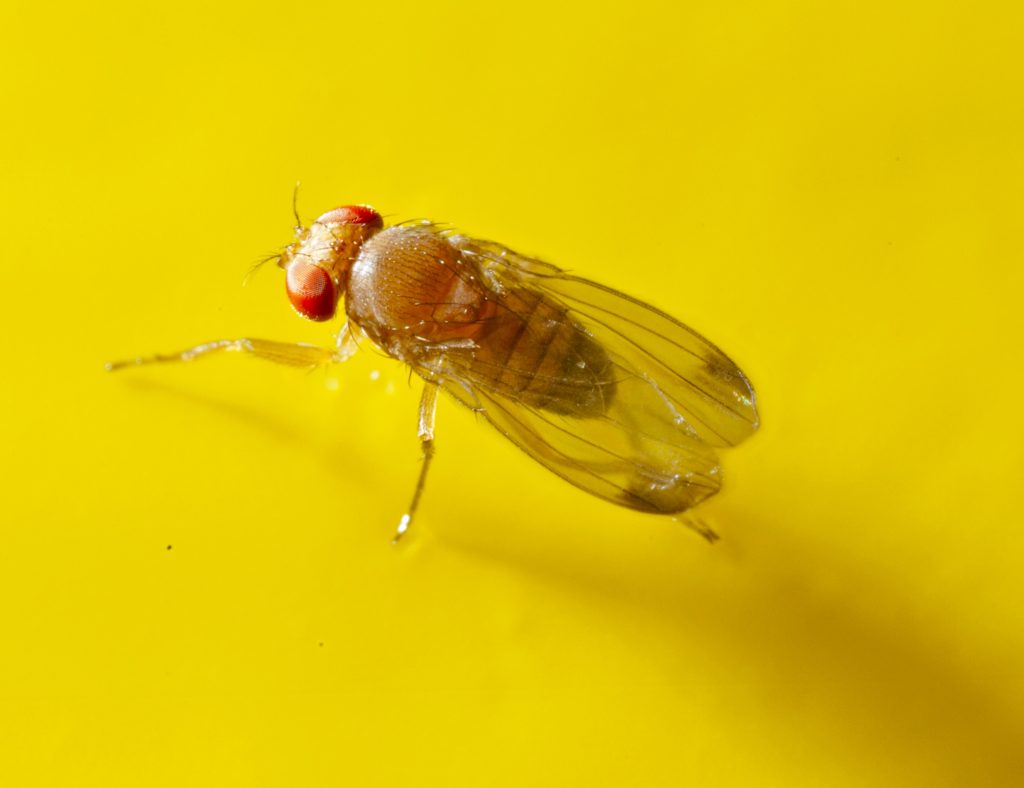
Spotted-wing drosophila has made blueberry production difficult in the past decade, requiring a significant increase in control inputs.
Dr. Rufus Isaacs, professor and extension specialist in the Department of Entomology from Michigan State University, will describe new cultural and biological controls that have potential to help growers reduce economic and environmental costs while managing this insect.
Join the next Pests and Progress webinar on Wednesday, October 15, 2025, at 1:00 pm ET (12:00 pm CT) to learn more. Pests and Progress webinars are free, and you must register to attend. More details are on the North Central IPM Center website.
Tick Academy 2025
The sixth annual Tick Academy will be held virtually via Zoom on October 15 and 16, 2025, from 11 a.m. to 3:30 p.m. ET (10 a.m. to 2:30 p.m. CT).
This two-day conference features eleven professionals representing a range of organizations and disciplines. Speakers will share new developments and research in the field of ticks followed by interactive live Q&A sessions.
Students may register for free, and a virtual student-poster presentation will be included.
Webinar Recording: IPM Network – Measuring Capacity, Framing the Future
Watch the September Pests and Progress webinar recording to learn about the IPM Network. Dr. Daren Mueller, professor and extension plant pathologist at Iowa State University, summarized results of the 2023 survey about the current state of integrated pest management (IPM) in the United States, along with opportunities for improvement and future activities.
IPM currently has a solid foundation with programs in all 50 states and four regional IPM centers. While funding for IPM programs has been fairly consistent during the 16 years covered in the survey, inflation has increased costs.
Also, IPM funding is awarded to states through a competitive process, and some states receive much more funding than others. This does affect the quality and amount of each state’s IPM impacts.
Since IPM provides essential support when new invasive pests threaten farm profits or human health, it would be beneficial to increase IPM funding, create an opportunity for national leadership and presence, and add staff dedicated to communication and evaluation activities.
Watch the webinar recording to learn more about survey results and how to improve IPM going forward.
War Against Weeds Podcasts
- Combine Settings to Manage Volunteer Corn
Interviewee: Dave Thiessen, product support specialist with Prairieland Partners - Volunteer Cereals and Green Bridges: A Pathology Perspective
Interviewees: Dr. Kelsey Andersen Onofre from Kansas State University and Dr. Andrew Friskop from North Dakota State University - Cover Crop Contamination with the Office of Indiana State Chemist
Interviewees: Jessica McVay and Scottie Pouliot with the Office of The Indiana State Chemist
New Episodes—I See Dead Plants Podcasts
- Cursed Chiles: An Overview of Chile Pepper Diseases Part 1
Interviewee: Dr. Steve Hanson from New Mexico State University - Cursed Chiles: An Overview of Chile Pepper Diseases Part 2
Interviewee: Dr. Steve Hanson from New Mexico State University - Wicked Corn Curveball: Insights on Curvularia Leafspot of Corn
Interviewee: Dr. Tom Allen from Mississippi State University - Island IPM: CTAHR Sustainable Pest Management Part 1
Interviewees: Dr. Koon-Hui Wang and graduate students Roshan Paudel, Lauren Braley and Ben Wiseman from the University of Hawaii at Manoa - Island IPM: CTAHR Sustainable Pest Management Part 2
Interviewees: Dr. Koon-Hui Wang and graduate students Roshan Paudel, Lauren Braley and Ben Wiseman from the University of Hawaii at Manoa
IPM Highlights
Here’s interesting stories related to progress in integrated pest management.
Help Shape the Future of Weed Management in Michigan Specialty Crops
Growers, crop consultants, farm managers and educators, please take 10 minutes to complete this survey to help Michigan State University Extension plan relevant educational opportunities related to weed management in specialty crops.
You will be asked to help identify:
- The most problematic weed species impacting your crops
- Current management strategies used on your farm and their effectiveness
- Costs and concerns related to herbicide use and resistance
- Research topics you consider highest priority
Please share this survey with your contacts as well.
2025 Webinar Series for Greenhouse, Nursery and Garden Center Professionals.
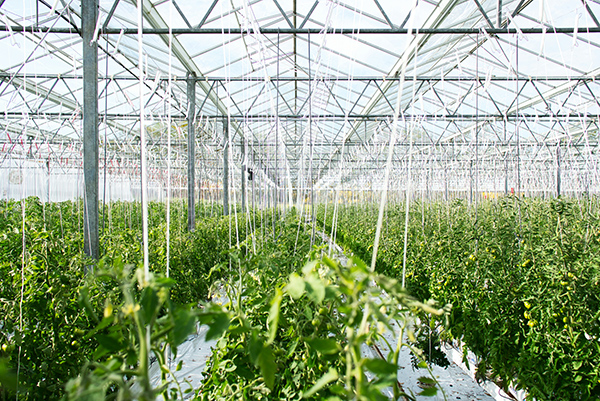
While greenhouses offer many benefits, growing crops inside them often comes with insect and disease management challenges. Learn how to reduce diseases with proper watering, how to use pesticides effectively and how to use biocontrols in greenhouses by participating in this webinar series from the University of New Hampshire.
These webinars are held on the last Tuesday of the month from 6:30 – 8:00 p.m. ET (5:30 to 7:00 p.m. CT). You must register in advance to attend. Each webinar costs $10.
Farmers Walk a Fine Line When Battling Crop Diseases
Making a profit can be challenging for farmers. When disease infects crops, farmers must decide whether to spend money to try to preserve yields. Tools from the Crop Protection Network help with decision-making by estimating the economics of fungicide applications using treatment cost, disease severity and expected commodity prices.
A New Partnership Will Improve Agriculture Through Integrated Pest Management and Regenerative Practices
The IPM Institute of North America, Inc. is partnering with SCI to support regenerative agricultural practices that foster healthy agroecosystems and improve farm profitability and long-term resilience.
This new collaboration reflects both organizations’ dedication to advancing stewardship and strengthening the agriculture system. Together, the IPM Institute and SCI will explore new opportunities to help farmers, reduce pesticide risks, improve soil health, and protect water quality while increasing food security.
Pests This Season
Watch for these pests in your fields.
Green Cloverworm Moths Are Everywhere (IN)
Have you noticed dark-colored moths fluttering around as you mow? Or perhaps moths are darkening your exterior lights at night? The green cloverworm has had a population explosion this year in Indiana. Fortunately, these moths are harmless, and caterpillar feeding will not affect yields even if you find them in your soybeans, alfalfa, or clover.
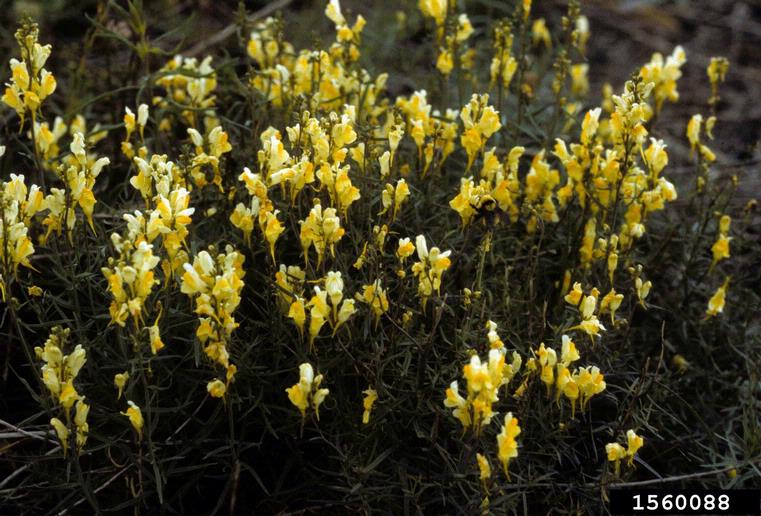
Yellow Toadflax Has Begun Producing Seeds: Scout Before Treating Infested Areas
Yellow toadflax is a perennial weed that can be difficult to control in pasture and rangeland areas so reducing seed production is important. Ideally, management efforts will be finished before toadflax goes to seed. Learn how to identify toadflax growth stages in order to time your management efforts well, and be sure to scout before spraying because most toadflax has gone to seed this year.
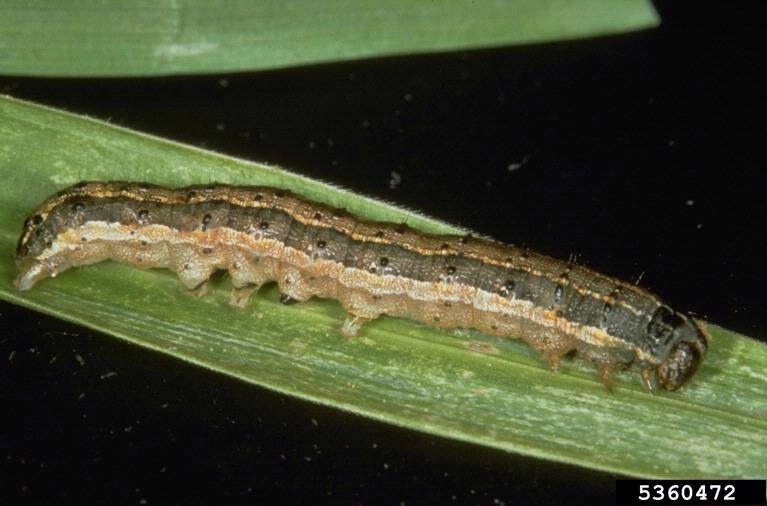
Time to Scout for Fall Armyworm
Fall armyworms have recently been confirmed in Kansas and Nebraska. Armyworms typically prefer grasses like corn, sorghum, wheat, and turfgrass host plants, but they are a threat to other crops like canola as well.
If you are planning to plant winter canola, check out this article from Kansas State University for suggestions on choosing when to plant, what to watch for, and management options. The University of Nebraska-Lincoln has an excellent article about how to recognize fall armyworm egg masses and larvae. Links to management resources are included. Finally, you may check confirmed fall armyworm populations on this map from North Carolina State University.
Preparing for Next Season
Get ready for next year with these learning opportunities.
Cultural Management: Encouraging Leaf Decomposition for Managing Apple Scab
Scroll down the September issue of the UMN Fruit Update series to learn how to lower apple scab disease pressure in your apple trees. Apple scab spores overwinter on old leaves and fruit so encouraging the decomposition process by mowing leaves or applying urea can lead to reduced disease issues next year.
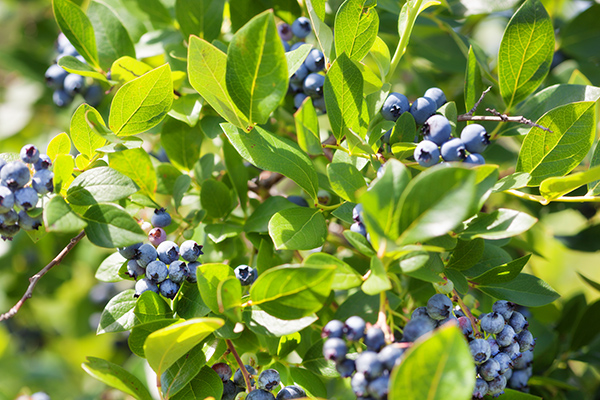
Blueberry 101
Take advantage of this four-part webinar series for growing blueberries that will include insect, disease, and weed management. These webinars will be held on Tuesdays from 1:00 – 2:00 p.m. ET (12:00 to 1:00 p.m. CT).
Pesticide applicator credits are available, and the deadline to register is Monday, September 29. Register now for $40.
Growing Canola: Resource Bundle (KS)
If you are considering a canola crop this fall, check out these resources from Kansas State University to ensure that you have the latest tips: