May 2026 Central Issue
The May 2026 Central Issue from the North Central Integrated Pest Management (IPM) Center features the latest science-based pest management news, research, and educational resources.
Highlights include RNAi technology for managing Varroa mites in honey bee colonies, Pollinator Week resources, weed and plant disease podcasts, tick and Lyme disease awareness materials, and practical integrated pest management strategies that protect agriculture, pollinators, human health, and the environment.
Explore the stories below to stay informed about current IPM research, extension resources, and emerging pest management solutions.
Subscribe to receive the Central Issue newsletter monthly via email.
North Central IPM Center Updates
Stay informed with the latest news from the Center with the stories below. Be sure to share your favorites!
Webinar Recording: RNAi and Varroa Mites-A New Technology for Managing an Old Pest of Honey Bees
Since being introduced accidentally into the United States, Varroa mites have become devastating beehive pests because of how efficiently they reproduce and spread.
In the recent webinar “RNAi and Varroa Mites: A New Technology for Managing an Old Pest of Honey Bees,” Iowa State University researchers Dr. Matthew O’Neal and Jarod Perez described the current options available for managing Varroa mites, along with a new control option that uses RNA interference (RNAi) technology to interfere with mite breeding.
As Varroa mites develop resistance to the most common management method, this new RNAi product, called Norroa, has the potential to be an important addition to your management protocol. While it is not fatal to Varroa mites, Norroa uses a new mode of action that targets the reproductive process of the mites.
Norroa works best when mite populations are low so it’s important to scout hives early. If mite numbers are already high, use another product to lower mite numbers before applying Norroa for for maximum effectiveness.
Learn more about current options for controlling Varroa mites, along with ways to integrate this new RNAi technology into your hive management by watching the full webinar.
Pollinator Week Prep
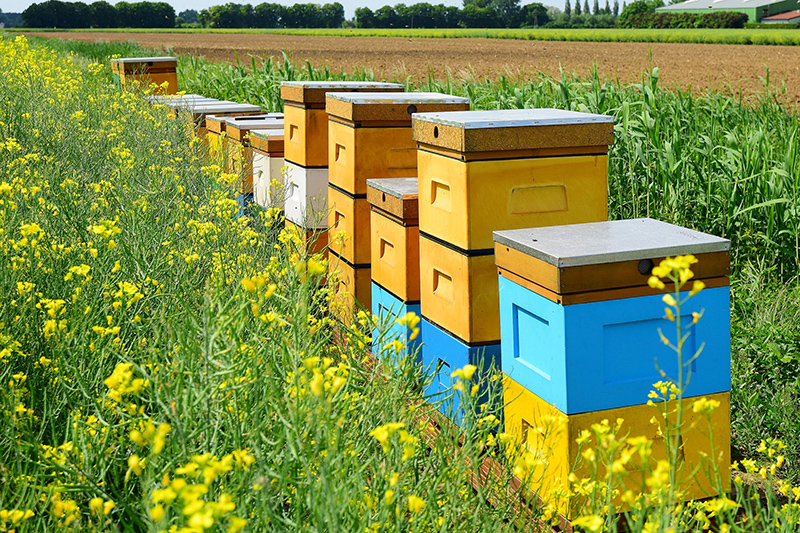
If you’re looking for content to share for Pollinator Week, June 22–28, 2026, please consider sharing one of our webinars:
- Dr. Ashley St. Clair, global regulatory ecotoxicologist at Corteva Agriscience will present, “AI-driven Image Analysis for Increased Accuracy and Precision of Honey Bee Colony Health and Productivity in Regulatory Field Studies” on July 15.
- A recording of “RNAi and Varroa Mites: A New Technology for Managing an Old Pest of Honey Bees” is available.
War Against Weeds Podcasts
- Beyond the Silver Bullet: The Social Side of Weed Management
Interviewee: Dr. Katie Dentzman from Iowa State University - Nozzle Know-How: Balancing Coverage, Deposition, and Drift for Effective Weed Control
Interviewee: Dr. Tommy Butts from Purdue University - Hidden Residues: Sprayer Hoses and Herbicide Carryover
Interviewee: Dr. Tom Mueller from the University of Tennessee - Two States, One Challenge: The War on Weeds in Cotton
Interviewees: Dr. Peter Dotray from Texas Tech University and Dr. Stanley Culpepper from the University of Georgia - Herbicide Ballistic Technology: Innovation in Invasive Plant Management
Interviewee: Dr. James Leary from the University of Hawaii at Manoa
I See Dead Plants Podcasts
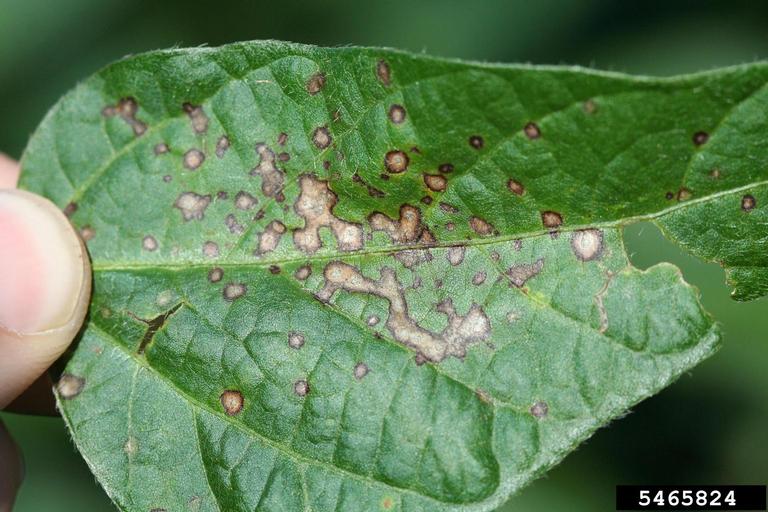
- Frog Eye-PM: Predictive Modeling Part 1
Interviewee: Dr. José González-Acuña from Iowa State University - Frog Eye-PM: Predictive Modeling Part 2
Interviewee: Dr. José González-Acuña from Iowa State University
USDA National Institute of Food and Agriculture Update
Here’s the latest news from the USDA National Institute of Food and Agriculture.
Crop Protection and Pest Management Notification of Funding Opportunity Available from USDA NIFA
Funding is available to support high-priority issues regarding pests like insects, nematodes, pathogens, and weeds. Both the Applied Research and Development Program (ARDP) and the Regional Coordination Program (RCP) areas are included in this funding opportunity.
The Crop Protection and Pest Management Program provides funding for research, extension and education activities. The goal is to protect food production, and farmer profits, from pest issues.
Priority is given to proposals that address management of invasive species.
$4,100,000 is available for the ARDP, and $4,150,000 is available for the RCP. The deadline for applications is July 6, 2026.
Rapid Response to Emerging and Re-emerging Pest and Disease Events Across Food and Agricultural Systems
Funding is available for activities related to pests and diseases associated with animal production systems and invasive diseases, insects, and weeds that could adversely impact the Nation’s food and agricultural supply chains.
If you’re interested in developing solutions to urgent pest issues and increasing collaboration and response networks, consider applying for this opportunity: “Rapid Response to Emerging and Re-emerging Pest and Disease Events Across Food and Agricultural Systems.”
Up to $500,000 is available per award, and the deadline is December 31, 2026.
US Environmental Protection Agency
Here’s the latest news from the US Environmental Protection Agency.
Gulf of America Farmer to Farmer Grant
Grant funding of $50 million is available to help improve water quality, habitat, resilience, and environmental education by demonstrating innovative practices on America’s working lands.
This Farmer-to-Farmer grant program is part of the US Environmental Protection Agency’s efforts to help producers test, validate, and scale regenerative practices.
Applications are due on June 19.
EPA Seeks Public Comment on Draft Strategy to Better Protect Endangered Species
A draft of the Fungicide Strategy is available for public comment until June 29, 2026.
The Fungicide Strategy informs registration and registration review decisions for fungicide products, guides mitigation options, and identifies potential population-level impacts to species that are included on the Endangered Species list.
Learn more about the Fungicide Strategy and how to submit comments in this US Environmental Protection Agency article.
IPM Highlights
Here’s interesting stories related to progress in integrated pest management.
Preserving Profits with IPM
With input costs at an all-time high, 2026 is a year to avoid unnecessary input purchases. This makes it a great year to try a different approach, whether it’s scouting for insects and diseases before treating or adjusting cultural practices, such as row spacing, to suppress weed germination.
If you are growing soybeans, check out this video to learn which insect pests cause the largest yield (and profit) losses. This will help you know which problems are worth management dollars.
Trialing a new practice feels difficult when times are uncertain. Reach out to your local Extension office for suggestions about practices that are effective in your area. Consider reading this editorial and associated research studies: “Pest-Smart Strategies for Improved Eco-Efficiency in Agriculture, Forestry and Communities.”
Tick and Lyme Disease Awareness Special Section
Enjoy this collection of tick topics in honor of Lyme disease awareness month.
Alpha-gal Resources
Whether you’re looking for a summary about Alpha-gal syndrome or how to change your diet to avoid mammal products, this collection from Missouri University Extension has all the details you need to help you get back to living life.
Build a Tick
Looking for a hands-on extension activity for tick education? Build a LEGO® tick while you teach about tick biology. Other resources are also available from the Midwest Center of Excellence for Vector-Borne Disease website.
Other resources are also available on the with this design from the Midwest Center of Excellence for Vector-Borne Disease website.
Just-In-Time Tick Awareness Resources
Tick numbers are already high here in the Midwest. Consider following @TickEncounter on Facebook, X, Instagram or YouTube to keep up with relevant tick news all season.
The Tick Encounter team at the University of Rhode Island helps with tick identification, population tracking and public education. Prevention tips are worth reviewing.
Tick IPM Highlights
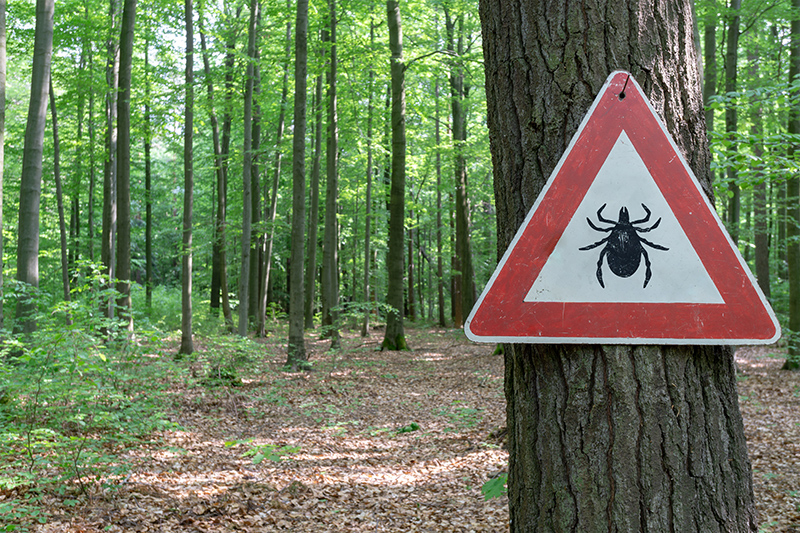
In addition to improving food security, the North Central IPM Center also works to protect human health. One of the ways the Center supports human health is through our support of the Public Tick IPM Working Group, which has been funded by the Center from 2014 through 2026.Public Tick IPM Working Group
Over the years, Public Tick IPM Working Group has developed several useful tick-related resources:- Tick Management Options Factsheet
- Ticks and Tick-Borne Diseases Pest Alert
- Asian Longhorned Tick Pest Alert
- A Gulf Coast Tick Alert is in progress
- Engorged with Data: A Snapshot of South Carolina’s Tick Surveillance Program
- Wyoming’s First Tick-Borne Disease Surveillance Program
- NJ Ticks 4 Science! Engaging the Public in Tick Surveillance, Education, and Prevention
- From field to skin: Exploring environmental and personal protection interventions for tick management
- Activities and findings of the Delaware state tick program
- Using Tick Population Dynamics Models to Assess Control Strategies
Tick Academy 2026
Save the date! The 2026 Tick Academy will be held virtually on October 14 and 15. Registration is open, and early bird pricing is available until August 31st.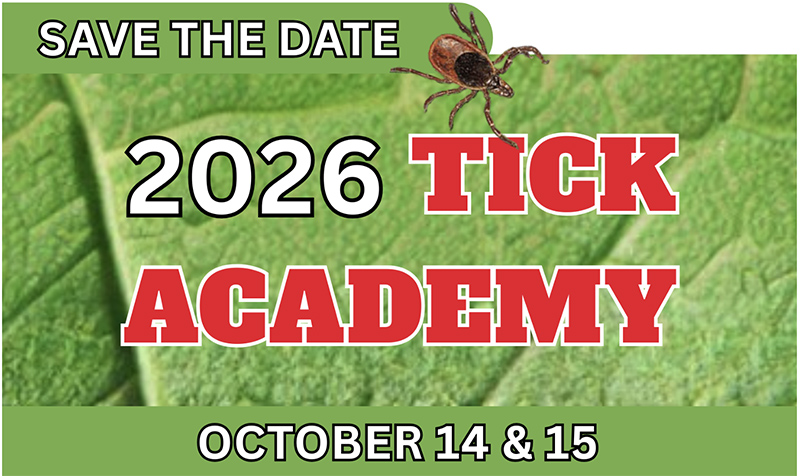
Pests and Progress Tick Webinars
The North Central IPM Center also has hosted several webinars related to tick topics that may interest you:
- Are You Smarter than a Lone Star Tick?
- Ecological epidemiology of the invasive Asian longhorned tick: insights from Ohio
- Coming in 2027: Beyond the Bite: Understanding Lone Star Ticks and Thriving with Alpha-Gal Syndrome
Job Board
Consider applying for these job opportunities.
Grants and Contracts Professional, NCR-SARE, University of Minnesota (Job Opening 373928)