Webinar Recording: Are You Smarter Than a Lone Star Tick?
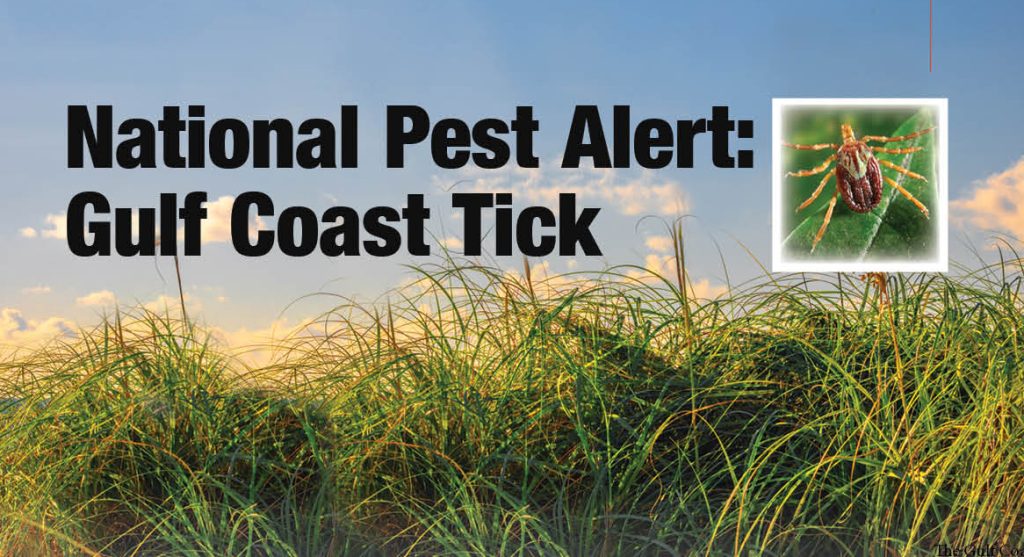
Webinar Recording: Are You Smarter Than a Lone Star Tick? https://youtu.be/Z4YU6GynQe0 If you’re interested in staying informed about ticks and tick research, Dr. Holly Gaff

Webinar Recording: Are You Smarter Than a Lone Star Tick? https://youtu.be/Z4YU6GynQe0 If you’re interested in staying informed about ticks and tick research, Dr. Holly Gaff

Webinar Recording: Pesticide Risk Tool: Understanding Risk and Measuring Impact https://youtu.be/dXMVyVpcLos This webinar featured Ariel Larson and Peter Wertz from the IPM Institute as they

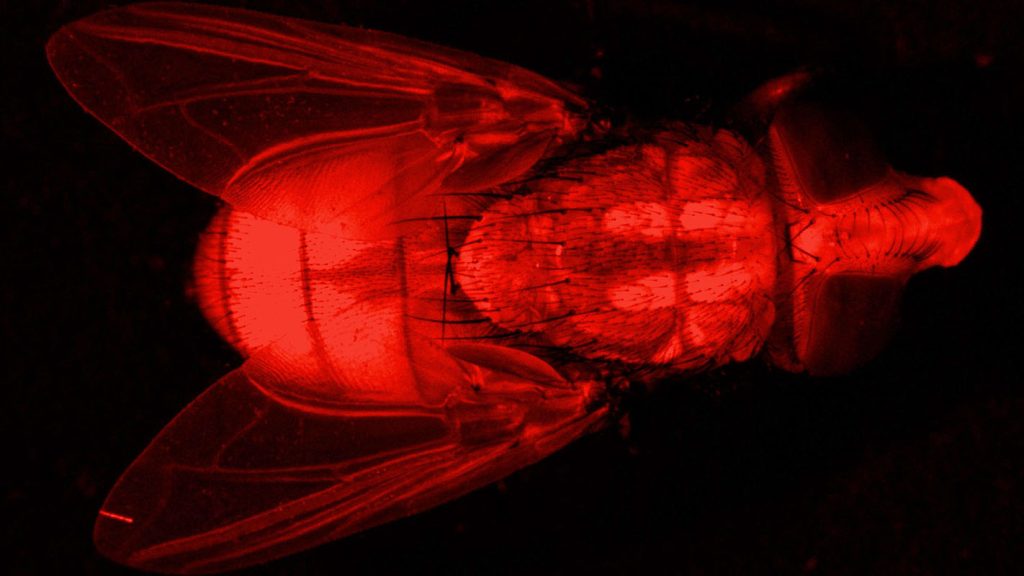
Webinar Recording: Genetic Biocontrol of New World Screwworm and Spotted Wing Drosophila https://youtu.be/Sw6ferJh3TM The New World screwworm is a serious livestock pest because it lays

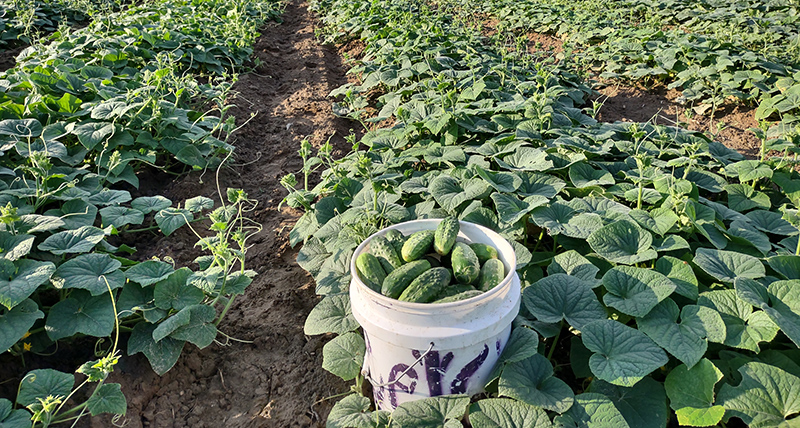
Webinar Recording: Breeding Efforts to Curb Cucurbit Downy Mildew https://youtu.be/bf40tPKCdjY Edmund Frost from Common Wealth Seed Growers in Virginia has been breeding cucumbers, winter squash

Webinar Recording: Spying on Insects with the Insect Eavesdropper https://youtu.be/hJWgmAT0RRs In the “Spying on Insects with the Insect Eavesdropper” webinar, Dr. Emily Bick, an assistant

IPM Strategies for Reducing Insect Pest Damage in Midwest Blueberries: Webinar https://youtu.be/0266BLNav5I New methods for both monitoring spotted-wing drosophila (SWD) in blueberries and managing SWD

2026 Funds Available from the North Central IPM Center The North Central Integrated Pest Management (IPM) Center has funds available for Critical Issue research projects,

IPM Network – Measuring Capacity, Framing the Future: Webinar https://youtu.be/44VE8pFO2VM Integrated pest management (IPM) currently has a solid foundation with programs in all 50 states

Up to 90% of the 1.7 million acres of sunflowers planted annually in the U.S. are planted in the North Central region, where diseases pose

Soybean Aphids are Resistant to Pyrethroids, Now What? Webinar https://youtu.be/F-7mPfy9pO8 Soybean aphids have been a challenge for Midwest soybean producers since 2000, but farmers were