Urban agriculture includes market gardens and small farms within cities that grow crops for sale, but urban agriculture also includes school gardens, community gardens, gardens used to provide nutritious donations for food pantries and also backyard gardens.
Urban farms are “small but mighty.” Seventy-size percent of urban farms in Indiana are less than an acre in size, but they do contribute significantly to the food system. Still most urban farmers do need another source of income besides their farm.
Urban farmers face unique challenges from the pests they encounter, to city water chemistry, needs for ag products on a smaller scale, and where to sell and distribute their crops.
Urban farmers vary in what they grow and how they grow it (raised beds, vertical systems, regenerative ag). Many urban farmers are new farmers so they need basic information as well as solutions for problems that arise.
The Great Lakes Urban Ag IPM Working Group already has resources available to meet many of these needs. Pest cards are available and provide identification and management options for insects, mammals, weeds and diseases. These are also available in Spanish and will be translated to a few other languages in the future. Prints of these cards are available by request (contact Maggie). Some of most popular pest cards provide information about ground hogs, deer, cucumber beetles, and squash vine borers.
The Great Lakes Urban Ag IPM Working Group promotes connection among urban farmers with an email listserv and annual networking meetings. Each annual meeting includes updates from working group members and a tour of a local urban farm. The working group has also created webinars that feature urban farms and ways growers have overcome challenges.
You can keep up with the working group efforts on Facebook. New working group members are welcome to join. Also, the working group is currently looking for additional urban farms to tour so please contact Maggie if you know anyone in the North Central region who would like to participate.
More details about the Great Lakes Urban Ag IPM Working Group are available.
Presenters
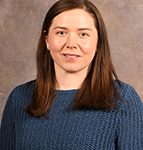
Margaret Rivera
Agriculture and Natural Resource Educator, Summit County
Ohio State University Extension
Maggie is the Agriculture and Natural Resources Educator for OSU Extension in Summit County and has worked in Urban Agriculture for over 10 years focusing on Cleveland and Akron.
A city girl born and raised, Maggie had the transformative experience of growing her own food and living off the land in Vermont. Maggie strives to bring this empowering experience to others through urban agriculture education and training.
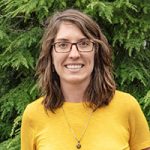
Laura Ingwell
Assistant Professor, Horticulture Extension Entomology
Purdue University
Dr. Ingwell’s research focuses on pest management on specialty crops grown in protected environments. In particular, she is interested in evaluating the role of natural enemies and biopesticides, developing new strategies to increase their ability to suppress pest populations.
Dr. Ingwell works in Urban Agricultural systems as well, strengthening our knowledge and tools to manage insect pests and produce organic soil amendments through the application of black soldier fly composting.