North Central IPM Center Updates
Stay informed with the latest news from the Center with the stories below. Be sure to share your favorites!
2026 Projects Funded by North Central IPM Center
The North Central IPM Center is pleased to announce that $383,000 is being awarded to thirteen projects in 2026!
Six Critical Issue projects are being funded. Four focus on efforts to learn about specific pests, one is focused on cover crops, and one explores the use of X-ray fluorescence to track migratory insects:
- Aster Yellows Phytoplasma Transmission in the Northern Great Plains
- Integrating Cover Crops and Row Spacing: A Sustainable Approach to Waterhemp Management in Early-Planted Soybeans
- Rapid Field-Based Geochemical Fingerprinting of Native and Invasive Migratory Insect Pests Using Field-Deployable Xray Fluorescence
- Rapid Response to Asian Copperleaf in the Midwest: Mapping and Controlling an Emerging Threat to Iowa
- Reducing Dogwood Borer Impact in Midwest Apple orchards
- Strengthening On-Farm Potato Early Die Management through IPM
Six Working Group projects are being funded, and two of them are brand new:
- Forest Health IPM Working Group (New)
- Red Crown Rot of Soybean Working Group (New)
- Managed Pollinator Protection Working Group
- North Central School IPM Working Group
- Public Tick IPM Working Group
- Sunflower Pathology Working Group
One IPM Partnership was funded and will focus on expansion of the War Against Weeds Podcast.
The rate of funded proposals was 43% this year. Constructive feedback is provided on all proposals that did not receive funding, and resubmission is encouraged. The Center’s next funding opportunity is expected this fall, pending renewal of the Center’s CPPM funding from USDA NIFA.
Congratulations to the 2026 award recipients!
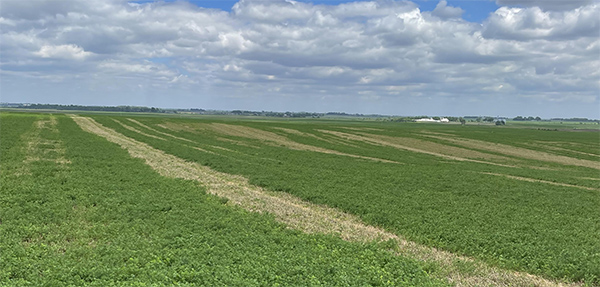
North Central Region Alfalfa Insect Survey
In recent years, Midwest alfalfa growers have been reporting increased issues with alfalfa insects. Especially for alfalfa weevil, there have been reports of reduced pesticide efficacy for this pest along with issues persisting past first cutting and concerns about how to manage other insects in addition to alfalfa weevil.
In order to respond to these concerns and assess how widespread these issues are, University of Minnesota Extension is hosting a multi-state survey focused on alfalfa grower perspectives and needs for alfalfa weevil management and other related insects. This 22-question online survey covers the 2021-25 growing season and is open to all alfalfa growers and agricultural professionals in North Central states.
This survey lets you voice what alfalfa pest issues you are seeing in the field firsthand. Participating in the survey will help identify what areas of the Midwest have increasing issues with insect outbreaks and will direct future alfalfa educational programming and research efforts.
Survey results will be used to demonstrate alfalfa farmer needs to Midwest universities, and having grower perspectives helps justify funding for future research and support. If you have any questions about the survey, contact Dr. Anthony Hanson – Integrated Pest Management Educator at hans4022@umn.edu.
This survey is part of the activities of the Alfalfa Pest Management Working Group, which received funding from the North Central IPM Center in 2021, 2022, 2024, and 2025.
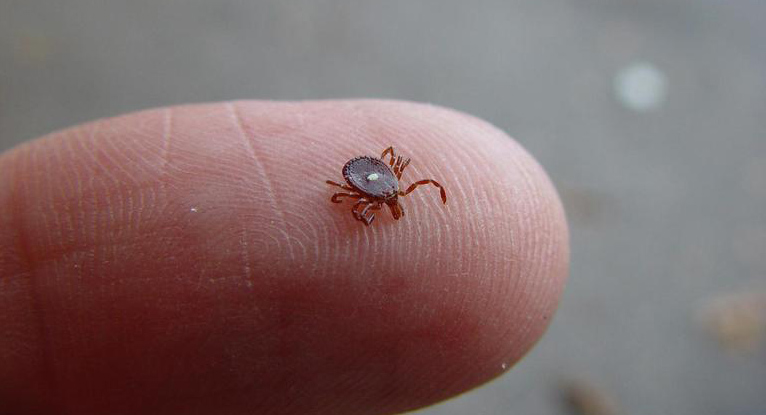
April Webinar: Are You Smarter Than a Lone Star Tick?
Tick populations are on the rise across the world, and the US is no exception. Increasing reports of tick-borne illnesses raise the question: how can we reduce this public health burden? Dr. Holly Gaff, professor at Old Dominion University (ODU), will share interventions that are being explored by the ODU Tick Research Team. These interventions include both real-world applications and virtual tools, and results from these studies will be discussed.
This Pests and Progress webinar will be held on Wednesday, April 15, 2026, at 1:00 p.m. ET (12:00 p.m. CT). Pests and Progress webinars are free, and you must register to attend.
Webinar Recording: Pesticide Risk Tool-Understanding Risk and Measuring Impact
How do you estimate pesticide risk as you choose a product? Ariel Larson and Peter Wertz from the IPM Institute shared details about the online Pesticide Risk Tool (PRT). This tool provides more detail than a product label. By modeling both toxicity and exposure, PRT generates quantitative risk scores across 15 indices — covering environmental, human health, consumer dietary, and pollinator impacts — giving farmers, consultants, and supply chain managers a powerful new way to compare products and make more informed pest management decisions.
Be sure to watch the full webinar to learn how certification programs across the country are already making use of this tool.
War Against Weeds Podcasts
- Crabgrass
Interviewees: Dr. Aaron Patton and PhD candidate Vera Vuković from Purdue University - Annual Ryegrass
Interviewees: Tom Barber from the University of Arkansas, Charlie Cahoon from North Carolina State University, and Larry Steckel from the University of Tennessee - Cheatgrass
Interviewee: Dr. Jane Mangold from Montana State University - WEST (Weed Emergence Scouting Tool)
Interviewee: Melissa Widhalm from Purdue University
I See Dead Plants Podcasts
- When Life Doesn’t Give you Lemons: Citrus Greening Part 1
Interviewee: Dr. Lauren Diepenbrock from University of Florida - When Life Doesn’t Give you Lemons: Citrus Greening Part 2
Interviewee: Dr. Lauren Diepenbrock from University of Florida - Silent Yield Killer: Soybean Cyst Nematode and the SCN Coalition
Interviewee: Dr. Sam Markell from North Dakota State University
IPM Highlights
Here’s interesting stories related to progress in integrated pest management.
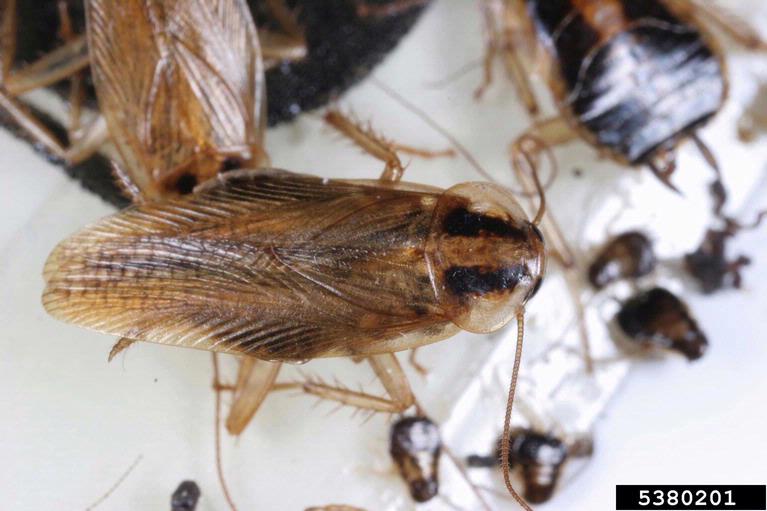
Know What to Require When Encountering Cockroaches or Bed Bugs in Your Facilities
Learn about control methods that are effective (or not) when addressing bed bugs and cockroaches during this webinar scheduled for Friday, March 27, 2026, at 1:00 p.m. ET (12:00 p.m. CT). Dr. Dini M. Miller, professor of entomology at Virginia Tech University and the urban pest management specialist for the state of Virginia will share her expertise.
This webinar is part of The Pest Defense for Healthy Schools project, which is coordinated by the IPM Institute.
Join a GROW Farmer Forum on Using Cover Crop Mixes for Weed Suppression
So just how well do cover crops work for weed suppression? Join this webinar on Wednesday, March 25, 2026, at 11:00 a.m. ET (10:00 a.m. CT) to hear feedback from two farmers who have used cover crops to suppress weeds and achieve other cropping goals.
Registration is free, and 1.5 CCA CEU credits are available.
Preparing for Next Season
Get ready for next year with these learning opportunities.
Wait For Warmer Temps Before Applying Burndown Herbicides
Has spring arrived? Don’t try to guess. Herbicide effectiveness depends on temperature for maximum weed control and cover crop termination. Don’t waste an herbicide application when fluctuating temperatures and frost can interfere with results.
CropCast Podcasts
Have you checked out the monthly Minnesota CropCast podcasts lately? Several episodes were released over the winter, and the frequency has increased now that planting season is coming fast. Topics include dry beans, small grains, soil health, and opportunities for growing new crops in Minnesota.
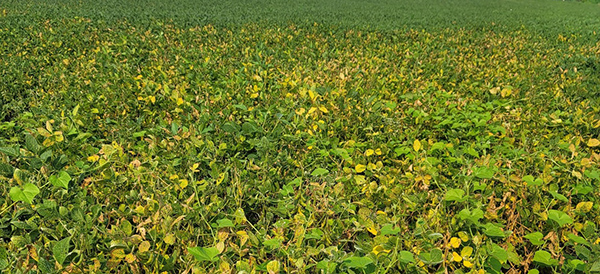
Watch for Red Crown Rot in Soybean
Red crown rot was reported in Missouri, Illinois, Indiana, Ohio and Kentucky in 2025. Red crown rot populations are being tracked, and there’s an active effort to determine how much it is spreading and how much increased awareness is leading to confirmation of additional infestations.
If you think you have red crown rot in your field, send a sample to your state’s plant and insect diagnostic clinic for confirmation.
Don’t Let Your Guard Down: A Winter Scouting Guide for Specialty Crop Diseases
While diseases tend to go dormant in winter, the cool, humid conditions in high tunnels can be a cozy nursery for gray mold, white mold and other diseases to get an early start. Learn where to scout for early infestations and how to decrease the chance of infestations.
TomSPOT Webinar Series
Take advantage of this opportunity to learn about tomato bacterial spot. A series of three webinars is being offered on the following Tuesdays at 11:00 a.m. ET (10:00 a.m. CT):
- March 24: From Seed to Field, the Quest to Quell Tomato Bacterial Spot.
- April 28: Copper resistance in bacterial spot pathogen Xanthomonas euvesicatoria pv. perforans.
- May 12: Aerosolized dispersal of Xanthomonas euvesicatoria pv. perforans during spray applications
A New Spring Wheat Germplasm Promises to Reduce Economic Losses Caused by Fusarium
Making Spring Input Purchases in Times of Volatile Markets
While supply and demand has the largest impact on market prices, it’s also be helpful to consider the factors that affect supply and demand. This article discusses market trends for several inputs, including phosphate fertilizer, nitrogen fertilizer, and potassium fertilizer. Suggestions for minimizing input costs are included.