July 2026 Central Issue
Explore the July 2026 edition of the Central Issue, the monthly newsletter from the North Central IPM Center. Discover new research, extension resources, pest alerts, pollinator and crop protection updates, weed, insect, and disease management strategies, and upcoming educational opportunities from the North Central IPM Center and partner organizations.
Subscribe to receive the Central Issue newsletter monthly via email.
North Central IPM Center Updates
Stay informed with the latest news from the Center with the stories below. Be sure to share your favorites!
Writing a Successful Grant Proposal: Tips for Competitive Funding Applications
Preparing a grant proposal can feel overwhelming, but the right approach can make all the difference. This new grant proposal resource outlines key strategies for planning, organizing, and writing proposals that clearly communicate your project’s value. Explore practical tips to help you avoid common pitfalls and submit stronger, more competitive grant applications.
August Webinar: From Detection to Action: eDNA, 3D Printing, and Grower Outreach for Spotted Lanternfly IPM
Dr. Ashley Leach and Dr. Natalie Constancio from the Specialty Crop Entomology Lab at Ohio State University will share Ohio’s latest work on spotted lanternfly during the next Pests and Progress webinar on August 19.
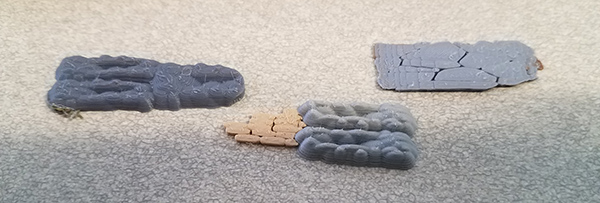
Dr. Leach and Dr. Constancio will highlight emerging technologies, such as eDNA surveillance and 3D-printed tools, that are advancing detection, monitoring, and management of this invasive insect.
This webinar qualifies for 1 CEU in IPM for Certified Crop Advisers.
This Pests and Progress webinar will begin at 1:00 p.m. ET (12:00 p.m. CT). Be sure to register to attend.
Webinar Recording: AI-driven Image Analysis for Increased Accuracy and Precision of Honey Bee Colony Health
Can artificial intelligence improve the way researchers measure honey bee colony health? During the latest Pests and Progress webinar, Dr. Ashley St. Clair from Corteva Agriscience demonstrated how AI-powered image analysis is replacing subjective visual hive inspections with automated, data-driven assessments.
By analyzing high-resolution images, the technology accurately counts adult bees while also identifying brood, pollen, nectar and honey stores—all from a single photograph.
Traditional colony assessments can vary widely from one observer to another, making it difficult to compare results across studies. Dr. St. Clair shared that Corteva’s machine-learning system achieved more than 95% accuracy in bee counts while significantly reducing the variability associated with manual estimates.
Although the system is still being refined, Corteva plans to begin using this AI technology in 2028. Improved honey bee health assessments would provide better data to help regulators and scientists as they make decisions that protect pollinators.
Watch the AI-driven image analysis webinar recording to learn how artificial intelligence is helping shape the future of pollinator research.
New Gulf Coast Tick Pest Alert Published
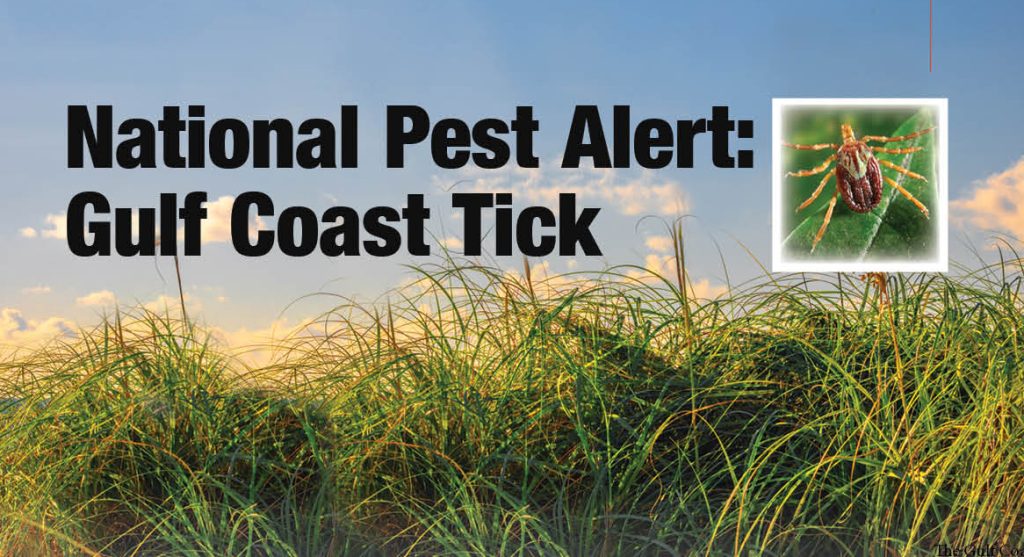
The Gulf Coast tick is expanding beyond its traditional range along the southeastern United States, making it increasingly important for people to recognize this emerging pest. A new Gulf Coast Tick Pest Alert from the North Central IPM Center explains how to identify this distinctive tick, understand its life cycle and recognize the habitats where it is most commonly found.
The pest alert also highlights the health risks associated with Gulf Coast ticks. They are the primary vector of Rickettsia parkeri, which causes a form of spotted fever in humans, and can transmit diseases affecting dogs and livestock.
The publication includes practical guidance on reducing tick exposure through landscape management, personal protective measures and proper tick removal.
Whether you’re spending time outdoors, managing livestock or simply interested in emerging pests, this new resource provides science-based information to help protect people and animals. Read the Gulf Coast Tick Pest Alert to learn how to identify, prevent and respond to encounters with this expanding tick species.
This pest alert was authored by the Public Tick IPM Working Group, which is a project led by the IPM Institute of North America and is also one of the working groups that receives funding from the North Central IPM Center.
School IPM Webinar: Integrated Pest Management: Understanding Insects, Pesticides, and Safe Solutions
The next Pest Defense for Healthy Schools webinar will be held on Thursday, August 6, at 1 p.m. ET (12 p.m. CT) and is called, “Integrated Pest Management: Understanding Insects, Pesticides, and Safe Solutions.” Entomologist and educator Ashley Schmitz will co-present with his mentee, Zairah Qadri, an aspiring biomedical science and community health professional.
The webinar will introduce the principles of integrated pest management (IPM), explain the difference between nuisance insects and true pests, and explore the benefits and limitations of insecticides. Potential health concerns associated with common insecticides—particularly for school children—will be shared along with safer, effective alternatives.
I See Dead Plants Podcasts
- Alternate Hosts: What’s Up with Fireflies?
Hosts: Ed Zaworski, Madeline Henrickson and Zach Schumm from Iowa State University - Cultivating Connections: Leading Extension Across Diverse Agricultural Systems
Interviewee: Dr. Rachel Vann from the University of Illinois. - What’s Lurking in the Lettuce?
Interviewee: Dr. Jeri Barak from the University of Wisconsin-Madison
USDA Animal and Plant Health Inspection Service Update
Here’s the latest news from the USDA Animal and Plant Health Inspection Service.
Plant Pest and Disease Management and Disaster Prevention Program
The U.S. Department of Agriculture’s Animal and Plant Health Inspection Service (APHIS) has up to $73 million available for 2027 to support concepts that strengthen against, prevent, detect, and mitigate invasive plant pests and diseases.
State and federal agencies, tribal nations, tribal partners, colleges, universities, non-profit organizations, and industries may submit suggestions for review and possible funding awards. Multiple “Help Session” webinars are available in August, and the deadline to submit suggestions is September 21, 2026.
More details are available on the USDA APHIS website, and this FAQ document may be useful as well.
USDA
Here’s the latest news from the United States Department of Agriculture (USDA).
President Trump Signs Executive Order Advancing Regenerative Agriculture
President Trump signed an executive order aimed at expanding regenerative agriculture and strengthening the long-term resilience of U.S. farming. The order directs federal agencies to support research, innovation, precision agriculture, and voluntary conservation practices while reducing barriers to adopting regenerative farming methods.
This executive order also calls for greater collaboration among USDA, Environmental Protection Agency, and Health and Human Services to improve understanding of soil health, agricultural productivity, and the relationships between farming practices, environmental exposures, and human health.
Alongside the executive order, USDA Secretary Brooke Rollins announced a Regenerative Feedstock Rule with the goal of creating new market opportunities for farmers who voluntarily implement regenerative practices.
IPM Highlights
Here’s interesting stories related to progress in integrated pest management.
Recent Cyclospora Outbreaks Highlight the Importance of Food Safety Awareness and Reliable Information
A surge of Cyclospora illnesses in 2026 has prompted investigations by public health officials and renewed attention to the challenges of preventing foodborne disease.
Cyclospora is a microscopic parasite that can cause cyclosporiasis, an intestinal illness often linked to contaminated food or water. Recent investigations have included illnesses associated with fresh produce, including a multistate outbreak linked to shredded iceberg lettuce from central Mexico.
The following resources provide current information about Cyclospora, foodborne illness prevention, and steps that growers, food handlers, and consumers can take to reduce risk.
- Surveillance of Cyclosporiasis (US Centers for Disease Control and Prevention)
- Cyclospora Facts (MU Extension)
- Produce Growers: Summary of How to Talk with your Customers about Cyclospora
- Common-Sense Practices to Avoid Cyclospora (University of Vermont)

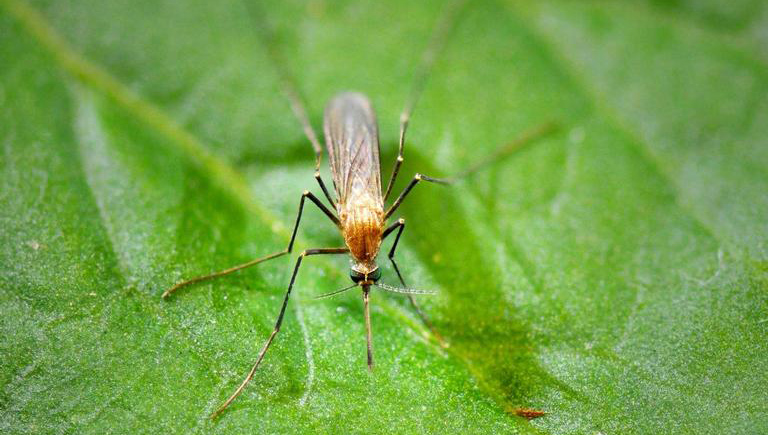
A Remote Sensing Technology Tool for Precision Mosquito Control
Dr. Lindsay Campbell from the University of Florida received the Bright Idea Award from the Southern IPM Center in 2026 for her work to understand mosquito breeding habitats.
The “Accessible 3D: LiDAR Data: A Tool for Precision Mosquito Control” project developed an online dashboard that makes high-resolution LiDAR terrain data easier for mosquito management programs to use.
By mapping small depressions and water-collecting areas where mosquitoes breed, the tool helps professionals target larvicide applications more precisely instead of relying on broad, blanket treatments.
This precision approach may reduce pesticide use, improve efficiency, and protect human and animal health while supporting integrated mosquito management.
Soybean Insect Encyclopedia Expanded
The Crop Protection Network has added more soybean insect pest articles to the Encyclopedia resource. Check out the full list of soybean insect articles to learn how to scout for and manage these pests.
Preparing for Next Season
Get ready for next year with these learning opportunities.
Tar Spot Is Back in Wisconsin. Don’t Panic—Get Ready!
Tar spot has been confirmed in Wisconsin corn fields for the 2026 growing season, but extension experts emphasize that growers should focus on preparation rather than immediate action. University of Wisconsin–Madison Extension recommends scouting fields, monitoring disease risk with forecasting tools, and considering field history and hybrid susceptibility before making fungicide decisions.
Timely, data-driven management remains the best approach for protecting corn yield while avoiding unnecessary applications.
Tar Spot & Southern Rust: What are the Threat Levels in 2026?
While tar spot has been confirmed in Missouri, current infections remain low, and southern rust risk is not high enough to warrant treatment at this time. Growers are encouraged to scout fields, monitor disease development, and consider crop stage, disease pressure, and potential return on investment when making fungicide decisions.
Keep track of Southern rust spread with this map from the Crop Protection Network.
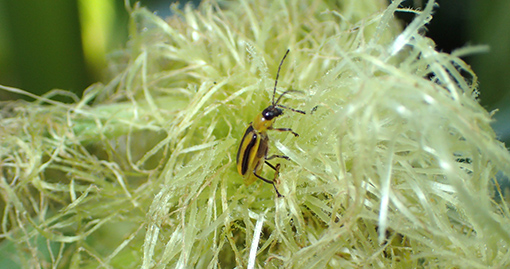
Monitor Your Corn for Corn Rootworm Adults to Inform Management for Next Year and to Avoid Substantial Silk Feeding
It’s a good time to monitor for corn rootworm adults in South Dakota. Monitoring adult beetle populations with yellow sticky traps or field scouting can help identify fields at risk for future infestations and determine whether management strategies should be adjusted before the next corn crop.
Also be sure to watch for silk clipping during pollination, as heavy feeding can interfere with kernel development.
Red Crown Rot
While red crown rot has not yet been confirmed in Nebraska, it has been detected in nearby states, making early recognition and monitoring important. Red crown rot can resemble sudden death syndrome and other soybean diseases, but it is distinguished by a reddish discoloration and small, red, spore-producing structures near the base of infected stems.
Because the soilborne pathogen can persist for years and there are currently no soybean varieties rated for resistance, extension specialists recommend an integrated management approach that includes accurate diagnosis, avoiding late planting into warm, wet soils in infested fields, minimizing plant stress, and staying informed as new research and management options become available.
Events
Learn and network at these upcoming in-person events.
2026 Urban Food Systems Symposium
September 14-17, 2026
Kansas City, Missouri
Webinar: From Plants to Poultry: New Ways to Keep Chickens Healthy and Poultry Products Safe
September 3, 2026
3:00 to 4:00 p.m. ET (2:00 to 3:00 p.m. CT)
2027 Invasive Species Forum (virtual)
February 2 to 4, 2027
Job Board
Consider applying for these job opportunities.
Professor and Department Head, Entomology, Virginia Tech, Blacksburg, Virginia
Lecturer – Online Entomology Program, University of Nebraska, Lincoln, Nebraska
Field Sales Agronomist – Central Valley Ag, Marquette, Nebraska (many similar positions available in the Midwest)
Turfgrass Research Scientist, Iowa State University, Ames, IA
Sales Agronomist, Prairie Ag Solutions, LLC, Kirksville, Missouri
Lab Technician I – Crop Science, SGS, Brookings, South Dakota
Crop Science Technologist I, SGS, Brookings, South Dakota
Sales Agronomist, Dakota Mill and Grain, Inc, Presho, South Dakota (similar opportunity in Wall, South Dakota)