North Central IPM Center Updates
Stay informed with the latest news from the Center with the stories below. Be sure to share your favorites!Webinar Recording: Soybean Aphids are Resistant to Pyrethroids, Now What?
Soybean aphid resistance to pyrethroids was first confirmed in Iowa in 2015. Dr. Matt O’Neal, professor at Iowa State University, and his research team have been working to track resistant populations and find ways to manage them in soybean crops. In recent research trials, Dr. O’Neal’s team assessed soybean aphid populations before and after spraying and saw no significant population reduction. Some aphid populations even increased! It’s important for farmers to know that spraying pyrethroids may actually make soybean aphid populations worse by killing predators instead of aphids. Farmers need other ways to manage aphids. One good option is planting soybean varieties that have “resistance against Aphis glycines” (RAG) genes. As long as at least two RAG genes are present, the soybean variety will have good protection from soybean aphids.Updated Diagnostic Series for Pulse Crops
The Pulse Crop Working Group has updated four diagnostic card sets related to managing diseases in pulse crops. Check out these updated publications, and be sure to mention them to pulse farmers in your area.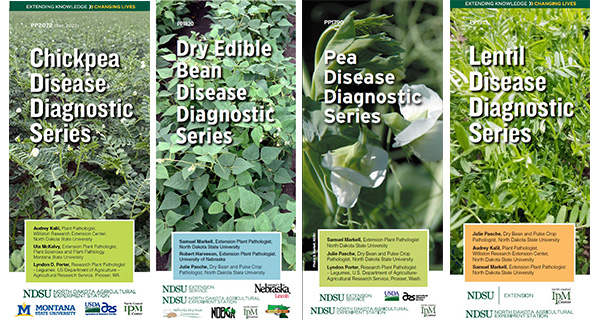
Integrated Pest Management: State Infrastructure Status After 50 Years of Federal Support (1973 to 2023)
Integrated pest management has been around for 50 years–what progress has been made? A recent article called, “Integrated Pest Management: State Infrastructure Status After 50 Years of Federal Support (1973 to 2023),” was published in the Journal of Integrated Pest Management. It summarizes integrated pest management funding, successes and limitations. Results show that a large collaborative network of integrated pest management (IPM) specialists is essential for addressing threats to food security and human health caused by existing and emerging insects, diseases and weeds. While each state has an IPM program, there’s potential to increase efficiency and impacts by implementing a unified vision with stable funding support.Sunflower Pathologists Protect Sunflower Yields: Center Impacts
Healthy sunflowers produce the best yields, but in the past, sunflower diseases were not well understood. Using funding from the North Central IPM Center and NIFA’s Crop Protection and Pest Management Program, the Sunflower Pathology Working Group was formed in 2013. This new team of experts identified disease management strategies and created publications to help farmers manage sunflower diseases. Check out this short impact summary to learn more about these resources, how they protect the products that consumers enjoy and how sunflower production supports local farms and rural communities. Please amplify our Center’s efforts by sharing this success on your social media. We already have active posts on LinkedIn and X.
New Episodes—I See Dead Plants Podcasts
- Taxonomic Tumult: Cercospora Species and Soybean Diseases Part 1 Interviewee: Dr. Vinson Doyle from Louisiana State University
- Taxonomic Tumult: Cercospora Species and Soybean Diseases Part 2 Interviewee: Dr. Vinson Doyle from Louisiana State University
- Smells Like Trouble: A Stinkbug Overview Part 1 Interviewee: Zach Schumm from the Iowa State University Plant and Insect Diagnostic Clinic
- Smells Like Trouble: A Stinkbug Overview Part 2 Interviewee: Zach Schumm from the Iowa State University Plant and Insect Diagnostic Clinic
IPM Highlights
Here’s interesting stories related to progress in integrated pest management.
The Big World of IPM Podcast
Check out the new podcast called “The Big World of IPM” created by the Western IPM Center. This podcast will help you keep up with innovate ways to manage pest problems, from insects and diseases in crop fields to cockroaches in urban spaces. Using these creative new management strategies helps protect our crops, homes, communities and environment with the safest methods available.
The titles of the first few episodes follow:
- Emma Kubinski: Critical Period of Weed Control and Carrots with Character
- Dawn Gouge: Equipping Urban Communities
- Lara Amiri-Kazaz: Scaring Away Aphids with Biocontrol
- Andrew Sutherland: The Tip of the Iceberg for Biting Mite Management
“The Big World of IPM” podcast is available on Spotify, Apple Podcasts, Amazon Music and others. Check out the podcast website for more details.
Underground Army: How Soil Invertebrates May Help Farmers Manage Weeds
Can we move the weed management effort below ground? Recent research using the springtail species Isotomiella minor showed that the presence of these springtails led to decreased weed biomass. The underlying biology needs more research, but it’s interesting that improving the soil ecosystem may help manage weed problems in addition to improving crop yields.
Regional IPM Centers Proposal Reviewer Sign-up
The Regional IPM Centers offer funding opportunities each fall, and reviewers are needed to read and access proposals. Becoming a reviewer can be a wonderful way to learn more about how a grant process works and the standards that are needed to receive funding. Serving as a reviewer can also be added to your CV. Sign up to become a part of our reviewer pool with this short form.
Pests This Season
Get ready for next year with these learning opportunities.
Corn Leafhopper is Now Active in South Central Kansas
Now is the time to scout for corn leafhopper. Sightings have been confirmed in both Kansas and Missouri in 2025, and this leafhopper can spread the corn stunt disease complex. Learn more about identification tips and management options in this article.
Free testing for corn leafhopper identification and corn stunt disease is available at the K-State Plant Diagnostic Lab.
Disease Watch: Gummy Stem Blight, Anthracnose, and Phytophthora in Cucurbits
Diseases are showing up in watermelon and cantaloupe crops in Indiana. Gummy stem blight and anthracnose outbreaks have been confirmed, but be sure to watch for Phytophthora blight as well. Photos of each of these diseases are included, along with management suggestions.
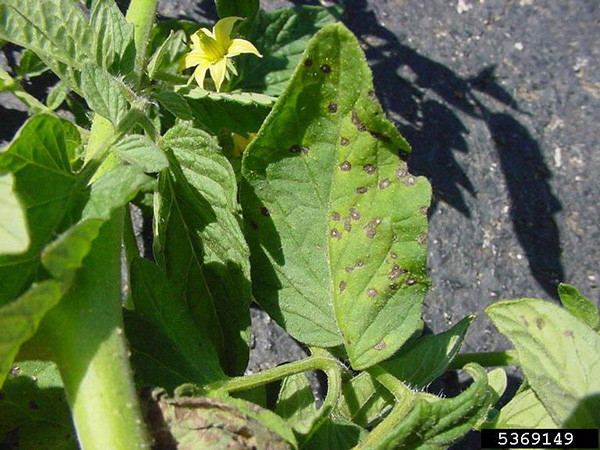
Spotty Tomato Leaves – What Is It and What To Do
Since several diseases can cause spots to appear in tomato leaves, it’s essential to determine the cause before treatment. Management options differ for bacterial infections and fungal pathogens. Photos are included to help with identification. When in doubt, contact your local diagnostic clinic.
Western Bean Cutworm Monitoring in the Panhandle
It’s time to scout for western bean cutworm egg masses in corn fields, and scouting tips and treatment thresholds are described. Once economic thresholds are reached, it’s important to apply insecticides promptly so that the treatment is effective.
Identification and Management of Common Ragweed and Giant Ragweed
Learn how to identify and manage common ragweed and giant ragweed using this fact sheet from South Dakota State University Extension.