Sunflower Pathologists Protect Sunflower Yields
Up to 90% of the 1.7 million acres of sunflowers planted annually in the U.S. are planted in the North Central region, where diseases pose a major threat to yield. Unfortunately, there has historically been a shortage of specialists and resources focused on sunflower health.
Formed in 2013 with funding from the USDA NIFA’s Crop Protection and Pest Management Program, the Sunflower Pathology Working Group connects experts from the U.S. and abroad to help farmers better manage diseases, insects and weeds. The group partners with universities, nonprofits, industry and government to extend outreach and multiply impact. The return on investment from awarded funds is nearly 14:1.
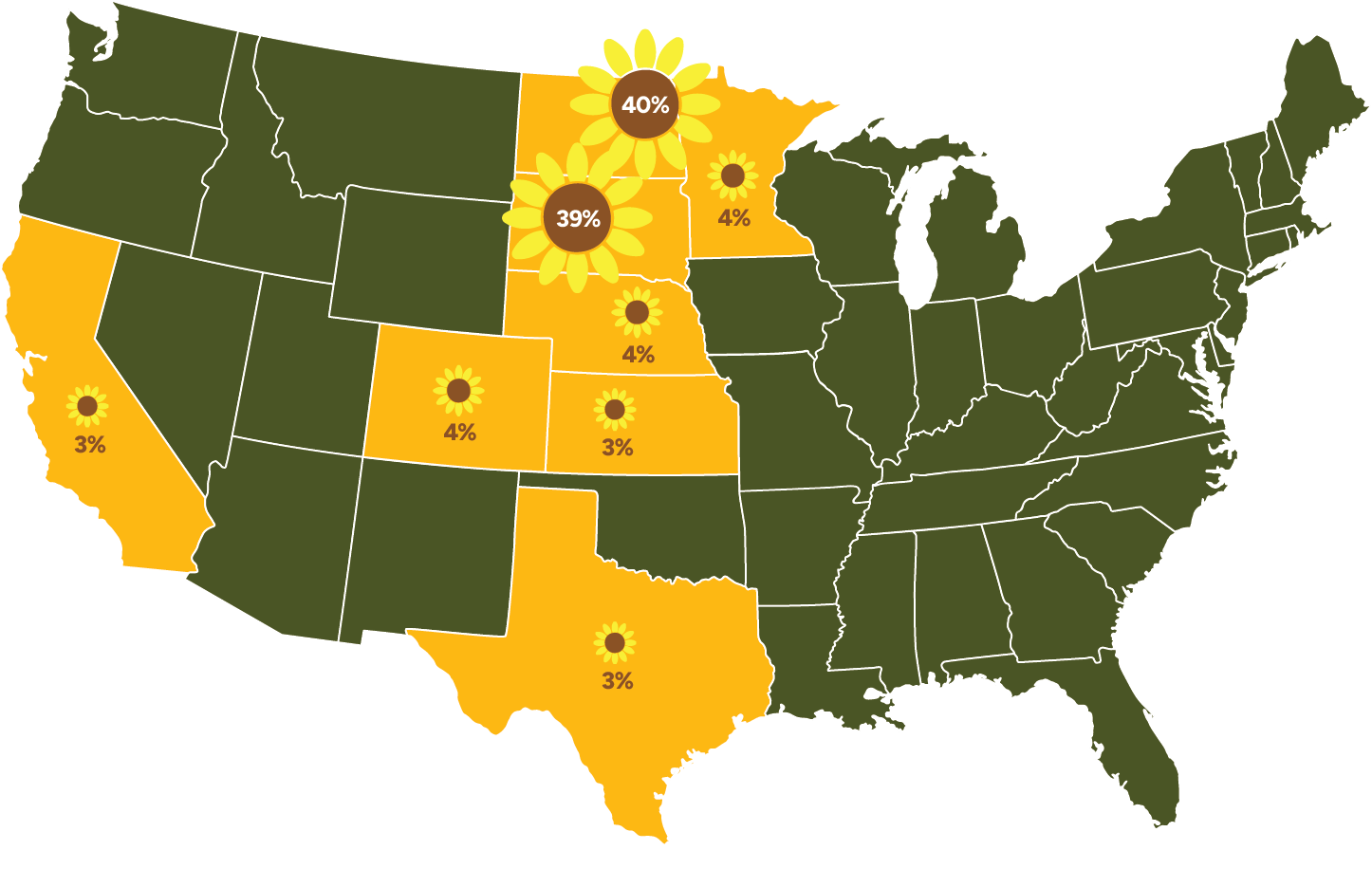
Impact and Reach
Collaborative efforts have:
- Improved diagnosis of sunflower diseases
- Facilitated informed treatment decisions
- Informed decisions protect yield
Public Value
Sunflower products – oil, seed, butter, cut flowers and feed – support family farms, rural economies and public health. U.S. sunflower profits have ranged from approximately $225M to $760M in the past decade (based on USDA NASS data, 2015-2024).
Key Resources Developed
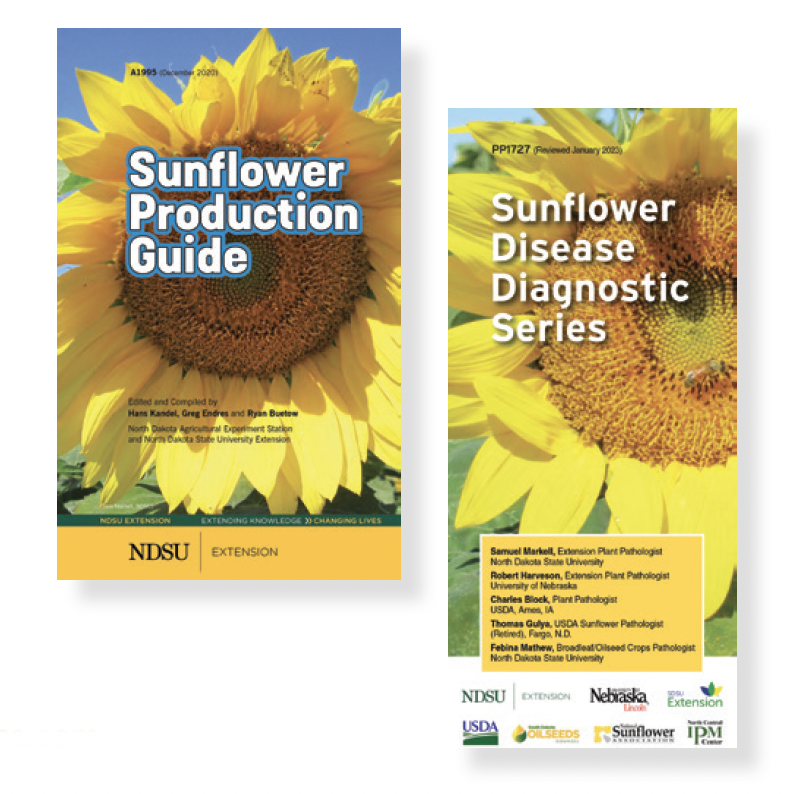
Distributed to farmers, crop advisors, students, researchers, diagnosticians, and companies – many resources translated into other languages and
used worldwide:
- Sunflower Production Guides
- Sunflower Disease Diagnostic Series
- Sunflower Nutritional Disorders Diagnostic Series
- Grower-focused disease section on www.sunflowernsa.com
- Sunflower disease lessons for students
- Comprehensive summary of diseases over two decades
This impact statement is also available for download.
This work is supported by the Crop Protection and Pest Management Program, project award no. 2022-70006-38001, from the U.S. Department of Agriculture’s National Institute of Food and Agriculture. Any opinions, findings, conclusions, or recommendations expressed in this publication are those of the author(s) and should not be construed to represent any official USDA or U.S. Government determination or policy.
