Tick IPM
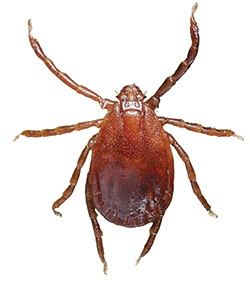
The Ticks and Tick-borne Diseases Pest Alert was updated in April 2023, bringing important tick prevention information to all. Once a year, the Tick IPM Working Group hosts Tick Academy, which is an event for researchers, educators, students, public health professionals, pest control professionals, public-space managers and citizen scientists interested in learning more about what they can do to stop the spread of ticks and tick-borne diseases in their communities.
Pulse Crops
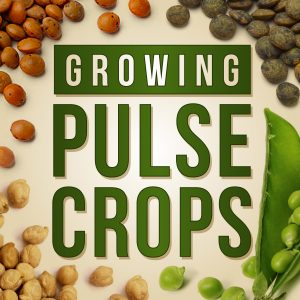
The Growing Pulse Crops podcast and Pulse Crops Working Group website are available! The goal of the Pulse Crops Working Group (PCWG) is to foster collaborative relationships among researchers, extension professionals, industry stakeholders and growers to address Integrated Pest Management (IPM) priorities in pulse crops. Pulse crops including dry edible pea, lentil, chickpea, fava bean and dry bean are healthful food choices that are also vital components of cropping systems in the north central and northwestern U.S.
Great Lakes Hop IPM
The hops group at Michigan State University has released its 2023 Michigan Hop Management Guide. In an effort to assist hop growers as they make pesticide and nutrient management decisions, the guide is available for free at the Michigan State University Extension Hops page. The guide includes an updated list of registered pesticides, nutrient management recommendations and a guide to seasonal pest occurrence and management activities.
Crop Protection Network
The Crop Protection Network provides free resources, publications and tools to support production of alfalfa, corn, cotton, small grains, and soybeans in the United States. These resources help growers, extension professionals and advisors learn to recognize and manage insect and disease issues. New courses have been added to the Virtual Crop Scout School, which is free and available as webinars.
Midwest Grows Green
Midwest Grows Green (MGG) is a collective of community-based lawn and landscape care initiatives, unified by a single message – protect people, pets and the environment by practicing natural lawn care. MGG provided the first sustainable landscaping certification in the U.S. in 2023 through its Green Shield Certified program. Midwest Grows Green holds regular workshops to share details turf management and the Green Shield program, and resources for sports field management and natural area management are available.
Great Lakes Urban Agriculture
The Great Lakes Urban Agriculture Working Group, established in 2016, supports urban agriculture by providing resources, research, and best management practices for pests that thrive in urban settings. Sixteen pest cards were created and provide recommendations for how to manage urban pests like groundhogs, deer and aphids. Members of this Working Group have recorded Virtual Urban Farm Tours, which can be viewed on their YouTube channel.

War Against Weeds Podcast
The War Against Weeds Podcast Working Group has consistently produced podcasts since 2021. Nine seasons of podcasts have been recorded, featuring a wide range of weed-related topics. Check out the full list of episodes on the "War Against Weeds" website.