
Bed Bugs
Free printed copies of pest alerts are available.
Introduction
Bed bugs (Cimex lectularius and Cimex hemipterus) are famous for their ability to hitchhike and can be transported in suitcases, furniture, mattresses, boxes, purses, backpacks, and clothing. Fortunately, bed bugs do not transmit diseases, but many people have allergic reactions to the bites and can also have subsequent skin infections from scratching. The mental strain of embarrassment from having an infestation and the anxiety about accidentally spreading bed bugs can be overwhelming. The cost of treatment is high, and elimination of bed bug infestations can be complicated, especially in multi-family dwellings.
The species of bed bugs that affect people the most are Cimex lectularius, the common bed bug, and Cimex hemipterus, which is found in tropical areas. These bed bug species prefer to feed on a human host at least once a week, but they can survive almost a year without feeding.
Tips to Avoid Bed Bug Hitchhikers
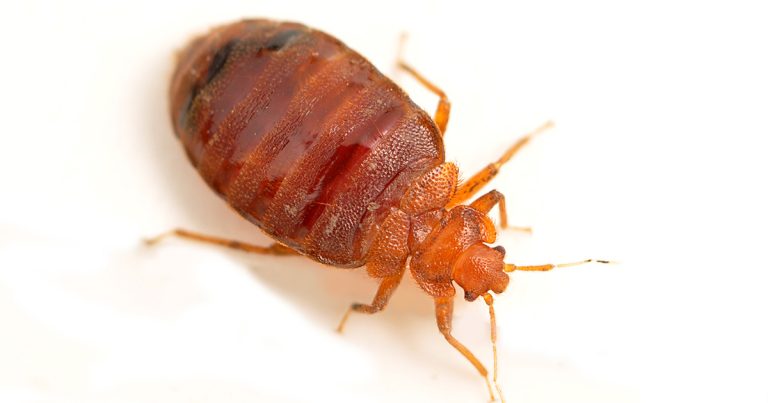
Know what bed bugs look like and common signs of an infestation to help avoid or quickly recognize an infestation when you travel.
- Do not place your luggage, briefcase, or other items on beds, couches, or chairs when you enter a hotel or temporary rental. You can place luggage in the bathtub or in the middle of the room until you have inspected the bed.
- Inspect the bed seams of the mattress and box spring and also the edges of the headboard for insects or for their feces, which appear as small brown spots of blood.
- Hang clothing in the closet or place personal items on the desk or table rather than on the bed.
- If bed bugs are found, seal items you plan to bring back home in plastic bags or bins. Collect one or two specimens for identification and notify the building/hotel manager immediately.
- Once home, especially if bed bugs were found, take clothing directly to the washing machine. Don’t forget shoes. Wash and dry clothing on the hot setting. Inspect and vacuum luggage.
- Be vigilant when acquiring used furnishings, especially discarded furniture and mattresses.
Identification
Digital images are rarely sufficiently detailed to confirm a bed bug diagnosis but may help rule out specimens that are not bed bugs. Bed bugs can be identified by your state’s plant and insect diagnostic clinic. Watch out for these signs of bed bug activity.
Is my Home Infested with Bed Bugs?
Bed bug treatment, especially insecticide treatment, should not be initiated until bed bugs have been found and positively identified. Bed bugs are difficult to detect, especially at the early stages of an infestation when there are few bed bugs present. Bed bugs are often suspected when there are unexplained skin reactions on one or more occupants of the home, but skin reactions such as inflammation, dermatitis, itching, or rash have many causes. A bed bug infestation cannot be determined based on the presence of bites or skin reactions.
Methods for Detecting Bed Bugs
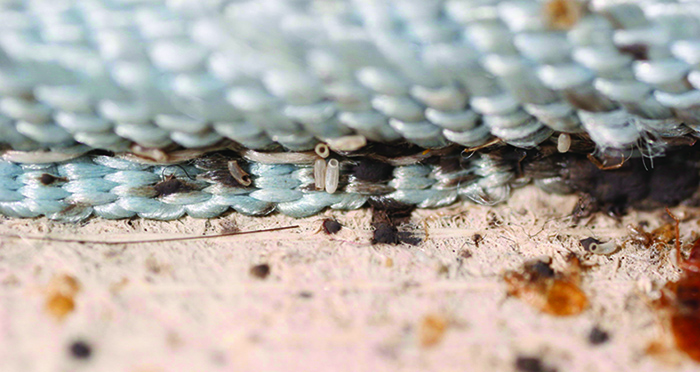
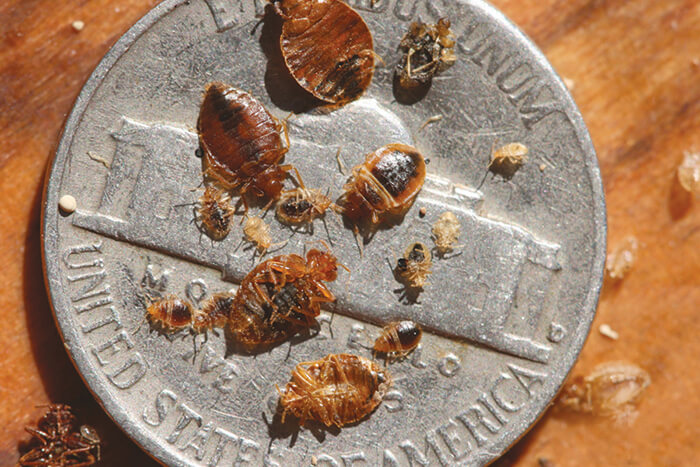
- Visual inspections can be done by anyone familiar with bed bugs or by a professional. Signs of an infestation include bed bug adults, nymphs, and eggs; dark excrement stains left in hiding places, especially along mattress seams; shed skins; and empty egg cases.
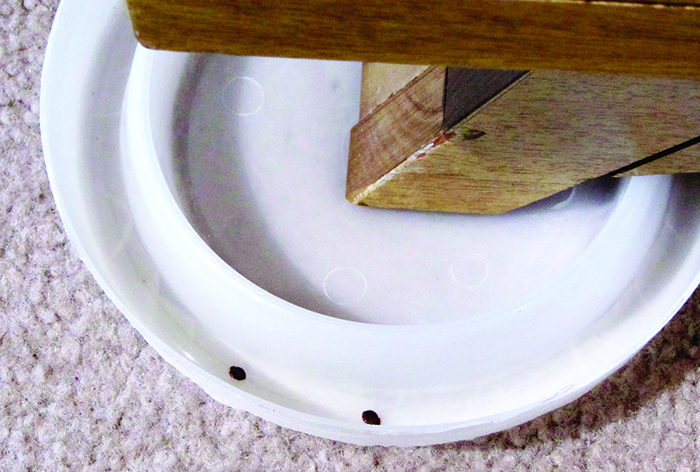
- Monitors, interceptors, and traps are available to homeowners or from a pest management professional.
- Scent detection canines are highly trained and available only from pest management professionals.
Preventing Spread
If you think your home may have a bed bug infestation, there are a few things you can do to minimize the chances you will spread bed bugs to friends’ homes, work, school, and other places.
- Do not discard furniture or mattresses before meeting with a professional. Often these items can be treated, and moving furniture around will only disturb the bed bugs, possibly spreading them and making control more difficult.
- Do not leave purses, backpacks or other items that you transport to work near the bed where a bed bug might crawl into it.
- Items that go back and forth to work or school can be stored in rooms other than the bedroom or in sealed plastic containers.
- Shake out clothing before getting dressed.
- Do not let children take stuffed animals, pillows, or other items from their bed to school or other places.
Management
If bed bugs have been detected in your home, it is best to work with a professional pest management service as soon as possible. If you are renting, you should contact your landlord to discuss who is responsible for pest management in your dwelling.
Do-it-yourself bed bug controls are available, but because of widespread insecticide resistance to the available products, do-it-yourself treatments are not recommended. Incomplete, ineffective treatments will not solve the problem and may make the situation worse by spreading the bed bugs to other rooms or apartments.
Considerations when Hiring a Professional
There are multiple ways to control bed bugs, and most pest management professionals will use several different methods. For example, they may use heat to kill bed bugs and then treat with a residual insecticide to kill any bed bugs that may have escaped the heat treatment. There are positives and negatives to all options. You should work with a pest management professional who can clearly explain the options to you and why they recommend a certain treatment regime for your bed bug problem. Use these tips as you choose a professional to hire:
- Do not rush. Be deliberate and thorough in researching your control options and available services. Double check if the prices quoted seem too high or too low because either extreme should be reason for concern.
- There are different treatment options available, and pest management companies will often specialize in specific types. Costs can vary among treatment options. Hot temperatures do kill bed bugs so steam cleaning is an option for easy-to-reach areas.
- Read the written bed bug treatment proposal from the pest management company carefully. Note what is expected before, during, and after the treatment and what follow-up inspections and retreatments (if needed) will be provided by the company.
- Often you will have to help by laundering bedding and picking up clutter.
- Bite-like marks do not prove that you have bed bugs. A pest management professional should be able to locate and show you a bed bug or remains from bed bug activity before treating.
For more information on bed bugs:
Center for Invasive Species Research, UC Riverside
Acknowledgments
Author: Laura Iles, Director of the North Central IPM Center.
This publication was originally produced and distributed by USDA-NIFA Integrated Pest Management Centers in cooperation with the University of California Statewide Integrated Pest Management Program; the National Plant Diagnostic Network, Western Region; USDA APHIS; USDA Forest Service; California Department of Food and Agriculture; and the Sacramento County Agricultural Commissioner.
For information about the Pest Alert program, please contact the North Central IPM Center.
This work is supported by the Crop Protection and Pest Management Program (2022-70006-38001) from the USDA National Institute of Food and Agriculture.
August 2024