What is IPM?
Integrated pest management is known as IPM. Whether you need to learn about IPM for your career or you need to teach others about IPM, our resources can help.
Examples of IPM Strategies
- Using predators to reduce pest populations (biological control)
- Using technology like the weed seed destroyer to reduce population numbers
- Using apps to predict disease for best fungicide timing
- Using precision technology to deliver spray directly where needed (apple trees, not spaces between)
- Using pesticides at the best time for pest control in the smallest amounts to be effective
How Does IPM Work?
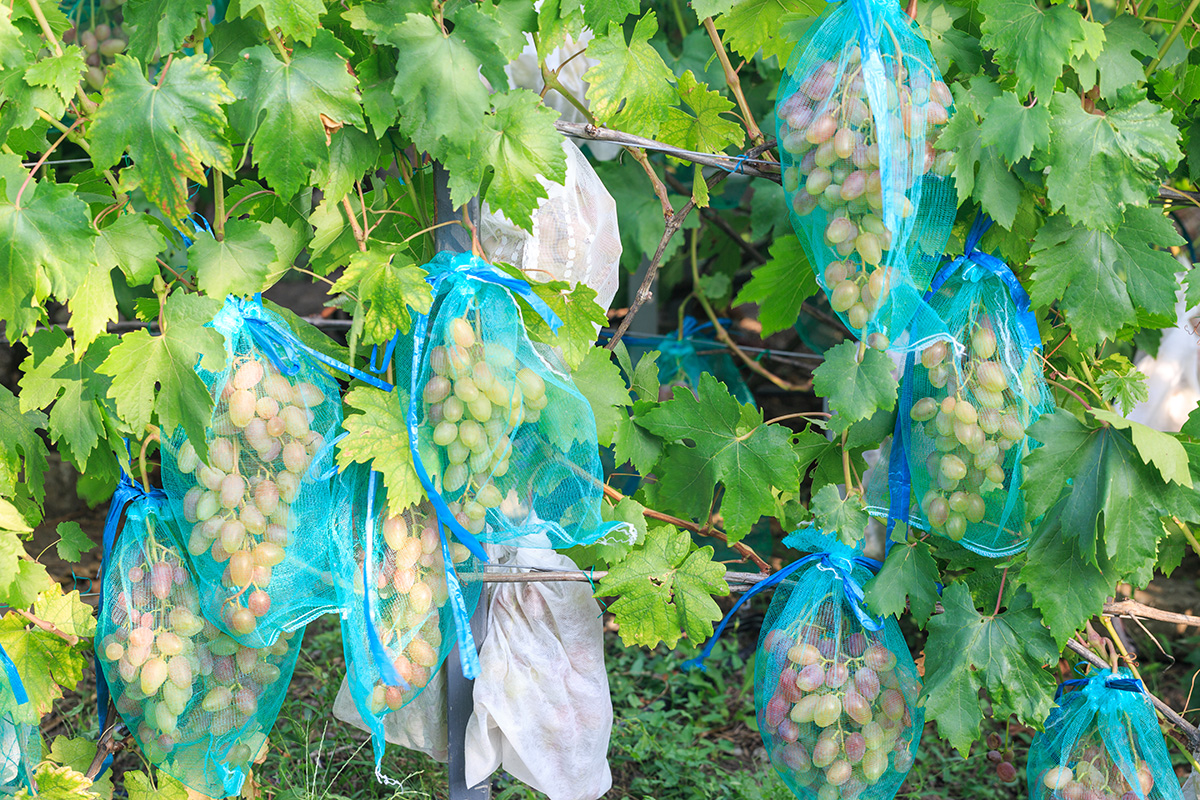
IPM is a sustainable decision-making process that uses information on pest biology, environmental data, and technology to manage pest damage in a way that minimizes both economic costs and risks to people, property, and the environment. IPM practices are used in agriculture, specialty crops, structures like schools and apartments, in wild areas to control invasive species and in yards and gardens.
IPM uses knowledge of pest and host biology, as well as biological and environmental monitoring, to respond to pest problems with management tactics and technologies designed to:
- Prevent unacceptable levels of pest damage
- Minimize the risk to people, property, infrastructure, natural resources, and the environment
- Reduce the evolution of pest resistance to pesticides and other pest management practices
IPM provides effective, all-encompassing strategies for managing pests in all arenas, including all forms of agricultural production, military landscapes, public health settings, schools, public buildings, wildlife management, residential facilities, and communities. This also includes public lands including natural, wilderness, and aquatic areas.
National IPM Roadmap
For strategic directions for IPM research, implementation, and measurement, check out the National IPM Road Map. The goal of the road map is to increase adoption, implementation, and efficiency of effective, economical, and safe pest management practices, and to develop new practices where needed.
IPM Process Handout
Integrated Pest Management is Vital to American Agriculture
Integrated Pest Management has been protecting America’s farms and families since the 1970s. Growers using integrated pest management use all the resources available – pest-resistant plants, beneficial insects, on-farm technology and pesticides – to manage pests safely and economically. IPM enables growers to produce higher-value crops with far less pesticide use than in the past. But invasive and resistant insects, weeds and diseases mean that ongoing IPM research is still vital to protect America’s agricultural industry, and the health of our people and environment
Growers conserve beneficial insects and use pest resistant plants, farming technology and reduced risk, selective pesticides to control insects, weeds and diseases economically.
An Invasive or Resistant Pest Appears
Old IPM controls fail. Growers resort to broad spectrum pesticides, sacrifice beneficial insects and face higher costs – or lose their crops.
IPM Research Responds
University and government researchers look for novel ways to control the pest or protect the crop. New biocontrols, pest-specific chemicals or plant varieties are developed.
Extension Teaches Growers
Extension agents take the new products or practices into the field, teaching growers how to restore balance to their farms. They and growers also monitor for new threats.
Re-established IPM Program Protects Crops
Growers use the new IPM tools and technologies to manage insects, weeds and diseases in their crops economically – and reduce risks to people and the environment.
But Threats Always Remain
The IPM program is effective until a new threat emerges – from invasive or re-emergent pests, changing weather patterns, drought or other factors.
Western Integrated Pest Management Center
This work is supported by the Crop Protection and Pest Management Program, project award no. 2014-70006-22629, from the U.S. Department of Agriculture’s National Institute of Food and Agriculture.
Any opinions, findings, conclusions, or recommendations expressed in this publication are those of the author(s) and should not be construed to represent any official USDA or U.S. government determination or policy.
IPM Infographic
Whether you are new to IPM or you are explaining IPM to others, the following infographic can help.
The following infographic has been provided by the Entomological Society of America:
