November 2024 Central Issue
News stories shared in the November 2024 Central Issue appear below. Subscribe to receive the Central Issue newsletter monthly via email.
North Central IPM Center Updates
Webinar Recording: New Pesticide Mitigations, Labels, and Bulletins (Oh My!)
Dr. Gretchen Paluch, pesticide bureau chief at the Iowa Department of Agriculture and Land Stewardship, shared her presentation called, “New Pesticide Mitigations, Labels, and Bulletins (Oh My!)” during the November Pests and Progress webinar.
Dr. Paluch included details about how the Environmental Protection Agency (EPA) is working to improve protection of species listed as endangered or threatened under the Endangered Species Act (ESA) and how this may affect landowners and pesticide applicators.
Dr. Paluch described several EPA resources that relate to and support the new rules related to herbicide, insecticide and fungicide applications.
These resources include the EPA’s workplan, Herbicide Strategy, and Vulnerable Species Plan.
The Rodenticide Strategy was recently completed, and an insecticide strategy is in progress.
Dr. Paluch also discussed online bulletins, which are being used to add details to pesticide product labels. When needed, the product label will direct you to the Bulletins Live! Two website for more information.
You must access and print the bulletin within six months of applying the pesticide product.
Depending on the product you are using, the bulletin may require you to implement changes, or mitigation strategies, to protect the environment and wildlife before you can apply pesticides. Checking the bulletin early can be beneficial because you will learn about mitigation requirements in time to implement them.
There’s a number of mitigation options to choose from so that pesticides can continue being used to manage pests. Dr. Paluch shared the Mitigation Menu that is available from the EPA.
Landowners are likely going to need support interpreting the new practices and mitigations. Both commercial and private pesticide applicators need to know how to use the Bulletins Live! Two website. This webinar will help you prepare.
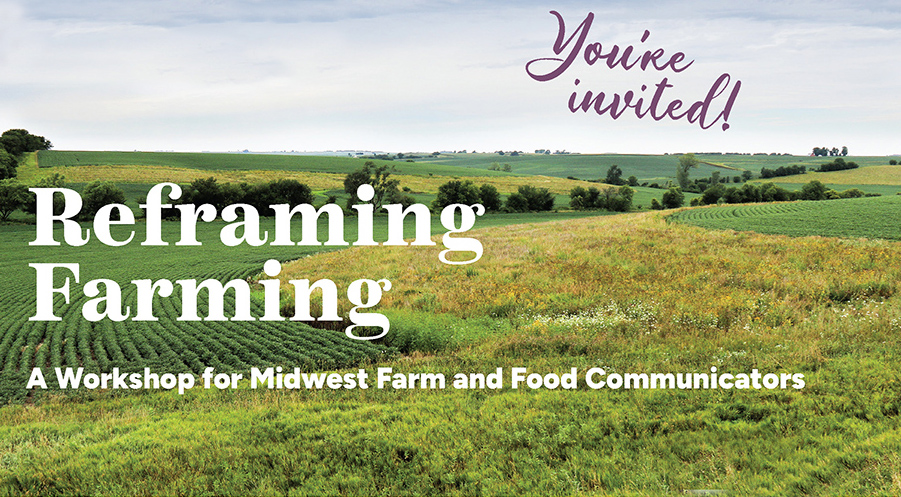
Register for the 2025 Reframing Farming Workshop!
Come enjoy a 1.5-day in-person workshop to learn and practice using new communication tools that will improve the impact of your messaging! You will have a chance to practice reframing techniques on your own materials and connect with fellow Midwest communicators to discuss challenges and collaborate on solutions.
The “Reframing Farming: A Workshop for Midwest Farm and Food Communicators” event will be held on Tuesday and Wednesday, April 29-30, 2025, at the beautiful Des Moines Botanical Center in Iowa. Attendees will stay at the Embassy Suites by Hilton, Des Moines Downtown.
The registration cost is $100 and includes one night at the hotel. Additional nights are not included, but attendees have access to a discounted room block. Space is limited so let us know you are interested by filling out this short application.
War Against Weeds Podcasts
- Pumpkins
Interviewees: Dr. Marty Williams from the USDA Agricultural Research Service and Dr. Alan Walters from Southern Illinois University – Carbondale. - Palmer Amaranth Update from Tennessee
Interviewee: Larry Steckel from the University of Tennessee Institute of Agriculture. - Enhanced Degradation of Triazine Herbicides
Interviewees: Dr. Dale Shaner, weed scientist from the USDA (retired) and Dr. Tom Mueller from the University of Tennessee - Herbicide Discovery Process
Interviewees: Dr. Cara McCauley from Corteva Agriscience and Dr. Jason Adams from Syngenta.
New Episodes—I See Dead Plants Podcasts
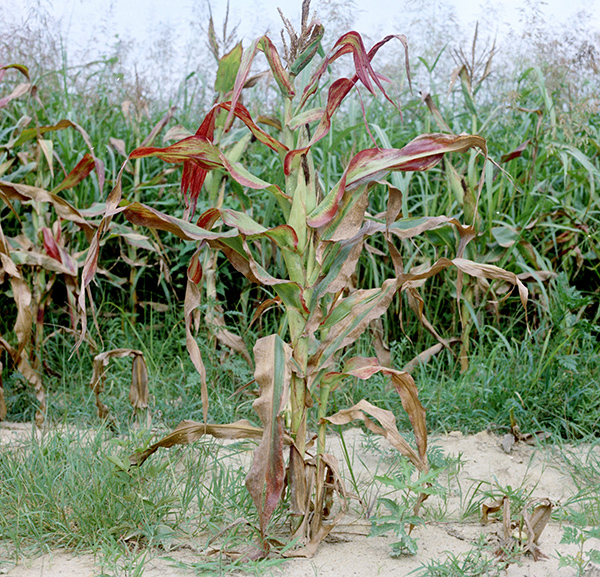
- Agents of Dread: Corn Stunt Disease and The Corn Leafhopper Part 1
Interviewees: Dr. Ashleigh Faris and Dr. Maira Rodrigues Duffeck from Oklahoma State University - Agents of Dread: Corn Stunt Disease and The Corn Leafhopper Part 2
Interviewees: Dr. Ashleigh Faris and Dr. Maira Rodrigues Duffeck from Oklahoma State University
US Environmental Protection Agency Updates
Strategy to Protect Endangered Species from Rodenticides
The US Environmental Protection Agency has released the final biological evaluation for 11 rodenticide active ingredients, along with the final Rodenticide Strategy.
The final Rodenticide Strategy includes mitigation options that will help protect other species from the effects of rodenticide use. This Strategy does not impose any requirements or restrictions.
Any mitigation measures needed to address potential likelihood of harm to listed or endangered species will only apply in geographically specific areas.
These areas can be determined using the EPA’s Bulletins Live! Two system, as part of label language, or in the Terms and Conditions of the product’s registration.
The 11 rodenticides evaluated in the rodenticide biological evaluation include: chlorophacinone; diphacinone and its sodium salt; warfarin and its sodium salt; brodifacoum; bromadiolone; difenacoum; difethialone; bromethalin; cholecalciferol; strychnine; and zinc phosphide.
The final Biological Evaluation is available in the docket EPA-HQ-OPP-2023-0567 on Regulations.gov. The final Rodenticide Strategy is also available.
Preparing for Next Season
Control of Mustards in Wheat – Timely Treatment is Important
Mustard weeds are much easier to control with herbicides if treatment occurs in late winter or early spring before they have flowered. Learn about herbicide options and how application timing can influence success. Crop rotation with corn, grain sorghum, soybeans, cotton, or sunflowers can also help manage mustard issues.
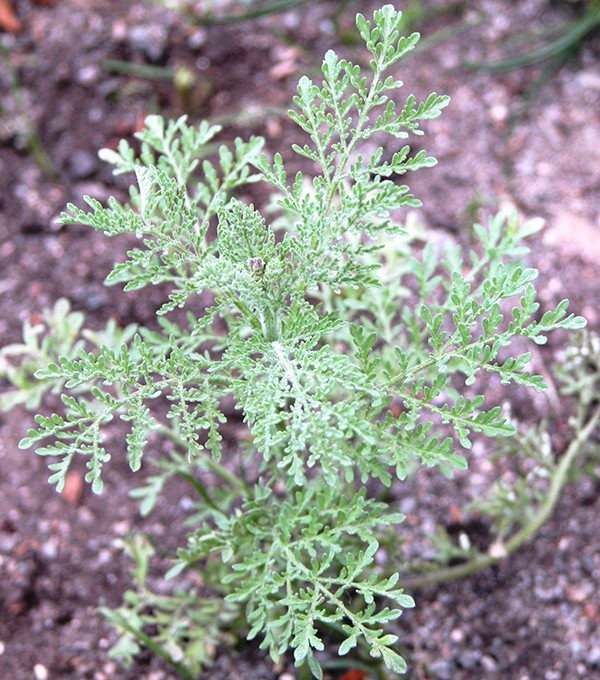
Now is the Time to Plan for Noxious Weed Control in 2025
After harvest is an ideal time to make plans for weed management the following year. Use this list of questions to identify problem areas in fields and prepare a management plan for next year. Including multiple strategies, such as mowing or burning, can make weed control more effective.
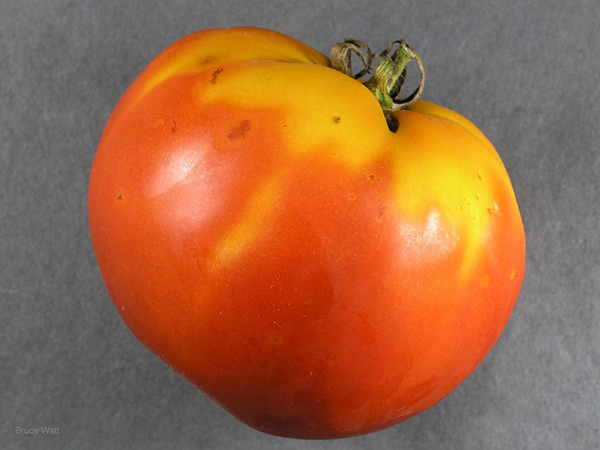
Tomato Fruit Rots, Spots, and Scabs
From physical issues like catfacing and growth cracks to disease issues like anthracnose and insect damage, check out images in this article to learn how to recognize the issues that affect tomato fruits. Tips for avoiding these problems are included, along with links to lists of hardy cultivars.
Field Crops Virtual Breakfast Series
Michigan State University Extension’s Field Crops Virtual Breakfast Series has concluded for the year, but recordings are available to help you prepare for next year. Integrated pest management topics include early and late weed management, wheat fungicide recommendations, sprayer setup, use of beneficial insects, and updates on white mold, tar spot and nematode pests.
SCN-Resistant Soybeans Varieties for 2025, Including 200 with Peking Resistance
Updated recommendations for soybean varieties that are resistant to soybean cyst nematode are available. Trials and soybean variety recommendations are focused on Iowa.
While it is tempting to rely heavily on varieties with Peking SCN resistance, it is essential to rotate with varieties that do not have Peking SCN resistance (such as varieties with PI 88788 resistance). This helps preserve the effectiveness of the Peking SCN varieties.
You may also want to download the soybean variety trials for more detail on each variety.
Farmer Forum Recap: Targeted Spray Technologies in the Field (Webinar Recording)
Hear about farmer experiences with a variety of targeted spray technologies from WEED-IT to See & Spray technologies. Farmers compare their weed management efforts before and after using targeted spraying techniques. A cost analysis of herbicide savings and return on investment is included.
Resources
New Buckeye Turf Newsletter
A new newsletter related to turfgrass science is available from Ohio State University! So far, the Buckeye Turf newsletter includes topics like perennial broadleaf weed control, crown and root-feeding pests, differences between European crane flies and marsh crane flies and their turf impacts, and turf establishment.
WildAg Podcast
New in 2024, the WildAg Podcast provides opportunities for landowners and conservation professionals to discuss how to integrate conservation and agriculture. The podcast is hosted by Dr. Andrew Little from the University of Nebraska-Lincoln and Nathan Pflueger from Pheasants Forever. Recent episodes include the following topics:
Events
Wild Spotter Invasive Species Ambassador Training
Ready to make a real impact in natural resource management? The three-day Wild Spotter™ Invasive Species Ambassador Training is your chance to gain the skills and tools you need to drive action in your local programs and foster long-term community engagement!
This training will be held Tuesday, February 4 through Thursday, February 6, 2025, in Lake Guntersville State Park, Lake Guntersville, Alabama.
Apply now to join the Class of 2025!
Great Lakes Expo
The annual Great Lakes Expo will be held at the DeVos Place in Grand Rapids, Michigan, from Tuesday, December 10 through Thursday, December 12, 2024. The Expo includes educational sessions on industry topics, a large trade show for networking and discovery, and specialized workshops and meetings.
11th International IPM Symposium: Three Field Trip Options
Make plans to attend the IPM Symposium and enjoy one of three field trips!
At the Port of San Diego Tour, you will learn about the canine detection program that is used to find agricultural materials that could harbor invasive stowaways. This excursion also includes a presentation at the Port of San Diego to learn about efforts to eradicate sea lavender.
Finally, attendees will visit Sweetwater Regional Park to learn about work to combat the devastating South American palm weevil, which is killing palm trees from Mexico to Southern California.
Learn about using IPM to maintain rooftop gardens as part of the UC San Diego IPM Program Tour. You will visit a rooftop garden, including the one hosting the art exhibit called, the “Fallen Star.” Participants will also hear about IPM strategies used in dorms and other communal spaces on campus.
Choose the Midway Naval Museum Tour and explore the decommissioned aircraft carrier, USS Midway. The tour will be led by Navy officers, and you will learn how the Navy keeps its sailors safe and healthy on board their ships.
Job Board
Executive Director, IPM Institute, Madison, Wisconsin
Assistant Professor – Insect Systematist, University of Nebraska-Lincoln
Assistant Professor, Field Crops Entomologist, Cornell University
Assistant Professor in Fungal Biology, University of California