North Central IPM Center 2023 Annual Report
The 2023 Annual Report is a summary of integrated pest management (IPM) activities implemented by the North Central IPM Center in 2023.
North Central Integrated Pest Management Center (NCIPMC): A Regional Approach to IPM Implementation
This work is supported by the USDA National Institute of Food and Agriculture, Crop Protection and Pest Management Program through the North Central IPM Center (2022-70006-38001).

Director’s Message: Sustainable Future Through IPM
The North Central Integrated Pest Management Center (NCIPMC) is one of four regional centers dedicated to promoting and advancing integrated pest management (IPM) nationwide.
We collaborate with farmers, researchers, and educators across twelve states to develop and implement effective pest management strategies. Our mission is to safeguard crops, human health, and the environment while ensuring a secure food supply.
Funding awarded this past year through our competitive grants program is supporting innovative projects addressing challenges like pesticide resistance, invasive species, and pollinator health. These investments have generated tangible results.
The Great Lakes Urban Agriculture working group developed virtual farm tours to promote sustainable practices. The Sunflower Pathology working group’s comprehensive disease management resources have significantly benefited more than 500 producers.
The Rights-of-Way as Habitat working group has increased its membership by 320% in one year as they work on completing a first-of-its-kind Pest Management Strategic Plan for rights-of-way and utility corridor workers to protect vital pollinator habitat.
Effective communication is vital to effective IPM practices. We’ve expanded our reach through digital platforms, including our website, social media, and webinars.
Our newsletter, The Central Issue, has experienced substantial growth, informing stakeholders about the latest IPM developments. We’ve also supported the creation of podcasts and online resources to make IPM information accessible to a wider audience.
Strong partnerships are essential to our success. We collaborate closely with state IPM programs, represented by NCERA 222, to address regional priorities. Our work with federal agencies and other IPM centers expands our impact nationwide. We’ve contributed to national IPM efforts, including the development of Pest Alerts and leading a national survey of state IPM coordinators.
Looking ahead, we will continue to invest in research, education, and outreach to create a more sustainable future. By working together, we can build a thriving agricultural system that protects our environment and ensures food security for generations to come.
Laura C. Iles
Director, North Central Integrated Pest Management Center
Protection and Long-Term Viability
The Center protects IPM by focusing on three goals.

Safeguard diverse cropping systems, human and animal health, and the environment through Integrated Pest Management.
By supporting research, education, and outreach, we address emerging pest challenges, reduce pesticide reliance, and protect public health. Funded work includes developing IPM strategies for various crops, combating the rise of vector-borne diseases like those carried by ticks, and promoting environmentally friendly pest management practices.
Through collaborations with stakeholders and the use of innovative tools, we strive to create a sustainable agricultural ecosystem that benefits both people and the planet.
Advance food security by proactively addressing emerging threats to agriculture, including climate change, pest resistance, and invasive species.
We collaborate with researchers and extension specialists to develop and implement integrated pest management strategies that mitigate the impacts of these disruptive forces. By building partnerships, conducting research, and providing educational resources, we aim to strengthen the resilience of agricultural systems and ensure a stable food supply for the future.

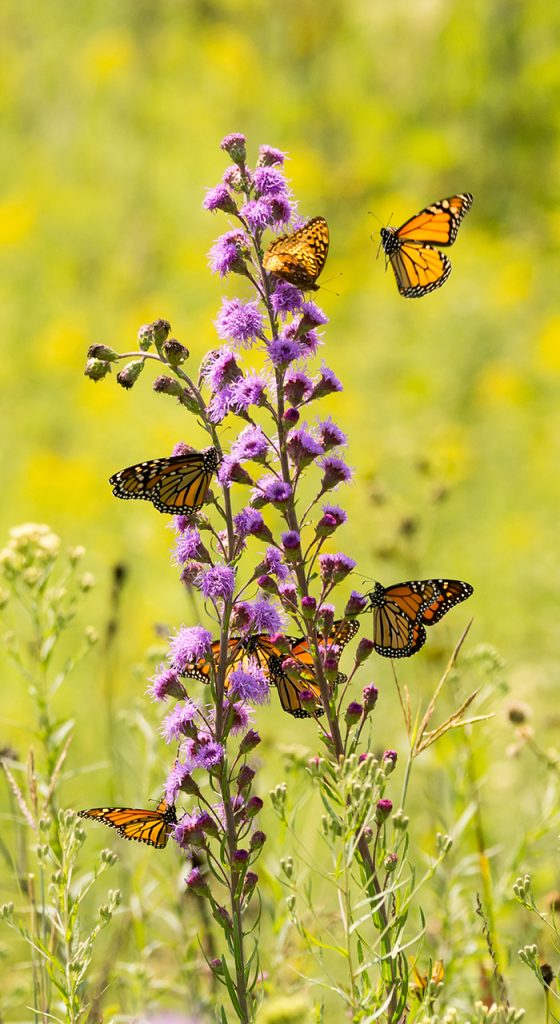
Protect pollinators and beneficial insects essential for food production.
By supporting working groups focused on habitat protection, pesticide stewardship, and pollinator health, we aim to reverse pollinator decline and promote sustainable agricultural practices.
Our efforts include developing and implementing Managed Pollinator Protection Plans, enhancing pollinator habitat on rights-of-way, and educating youth about the importance of pollinators and their role in the ecosystem.
Through these initiatives, we strive to create a thriving environment for pollinators while ensuring the long-term sustainability of food production.

2023 Impacts
Funding
- 13 Working Groups
- 3 Critical Issue projects
- $378,000 awarded
- $3 million in leveraged funding
- 12:1 return on investment

People
2,900 Project members
- 6 Countries
- 50 States
- 8 Provinces
- 1140 Affiliations
- 98 Universities
Next Generation
85 College students
15,000 K-12 students
Outreach
- 52 commodities
- 72 IPM practices
- 96 publications and presentations
- 97 audio/video resources
- 108 hands-on & in-person activities
- 43,000 people reached
The NCIPMC is committed to building a more robust and inclusive IPM community in the North Central region. By supporting collaboration, innovation, and educational initiatives, we can ensure a sustainable future for agriculture.
Building a Stronger IPM Community
At the NCIPMC, we believe that a strong and thriving IPM community is one built on collaboration and inclusivity. We achieve this by building partnerships with stakeholders from diverse backgrounds, including state IPM programs, universities, farmers, researchers, and policymakers, to share resources and advance IPM practices.
Additionally, we prioritize the inclusion of underrepresented groups, such as new farmers, non-English speakers, and youth, to ensure IPM benefits everyone. By supporting collaboration and inclusivity, we are driving a more equitable and representative IPM community that reflects the rich tapestry of our nation.
2023 Funding Distribution
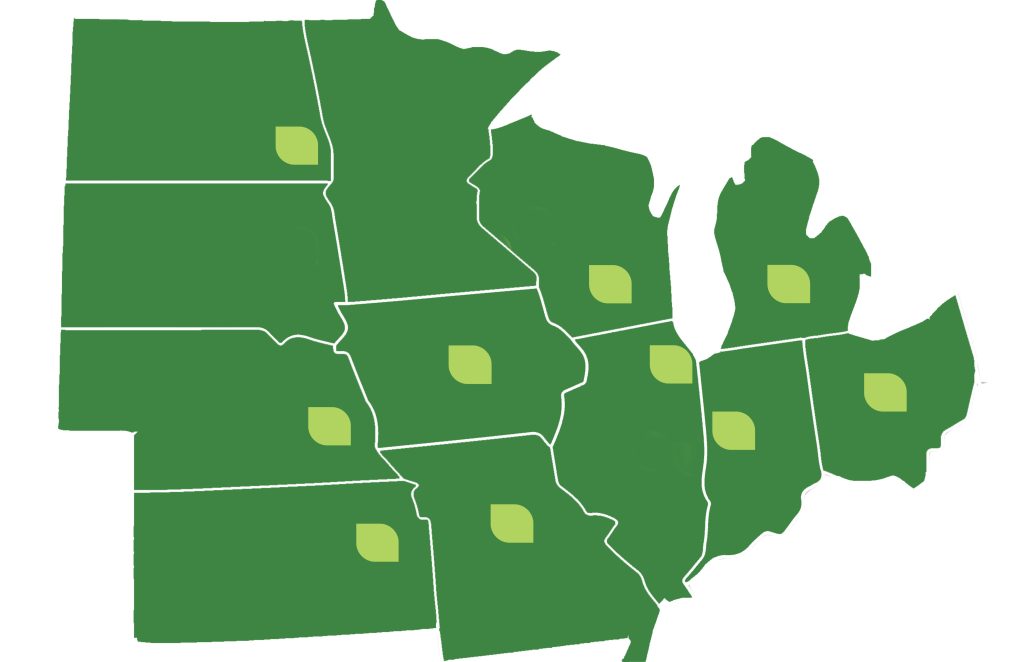
- $378,000 was awarded to ten of the twelve North Central states
- 46% of Working Group members reside in our region
Investing in the Future of IPM
The NCIPMC is committed to cultivating a future where IPM is the standard practice across the region. A key pillar of this commitment is our grant funding program, which supports a broad range of initiatives designed to advance IPM knowledge and implementation.
In just the past five years, we have invested over $1.8 million, reaching more than a quarter-million individuals with IPM strategies. This investment has yielded impressive results: funding awarded in 2023 alone generated an additional $3 million in grants, demonstrating a remarkable 12:1 return on investment.
This substantial impact highlights the NCIPMC’s key role in driving IPM adoption and sustainability across the North Central region.
Through Critical Issue and Working Group grants, we support research, collaboration, and outreach to advance IPM practices. In 2023, over $378,000 was awarded to projects addressing food security, crop diversity, human and animal health, environmental protection, and pollinator conservation.
By bringing together researchers, farmers, educators, and environmental groups, the NCIPMC’s working groups develop practical solutions to complex IPM issues. Additionally, critical issue grants fund pioneering research to address emerging threats.
Critical Issue Grants: Tackling Regional Pest Challenges
These short-term research grants provide seed funding for projects that address critical pest issues impacting crops, human health, or safety.
These proposals focus on information, resource, and research needs with regional importance with goals to enhance our understanding of pest biology and behavior, develop effective management strategies to minimize pest damage, and prevent the spread of known pests and emerging threats.
2023 Critical Issue Projects
Survey of Nematode Communities in Soils of the North Central Region
Weed Emergence Scouting Tool (WEST)
Improving our Ability to Detect, Monitor and Manage Corn Tar Spot in the Great Plains
Working Group Grants: Collaboration on Regional IPM Priorities
The NCIPMC supports collaboration through Working Group grants. These groups tackle important regional IPM challenges by sharing information, enhancing communication, and building partnerships to secure additional funding.
Working Groups are instrumental in connecting the NCIPMC with stakeholders. By sharing information and identifying regional needs, these groups strengthen the IPM community and contribute to a more unified approach to pest management.
2023 Working Group Projects
Great Plains Sawfly Survey
Great Lakes Urban Agriculture IPM
Hemp IPM
IPM4Bees
Managed Pollinator Protection Plans
Midwest Grows Green Lawn and Land Forum
North Central School IPM
Public Gardens as Sentinels Against Invasive Plants
Public Tick IPM
Pulse Crops
Rights-of-Way as Habitat
Sunflower Pathology
War Against Weeds Podcast
Resources
The NCIPMC provides a variety of resources and communication channels to support the IPM community.
Our monthly Pests and Progress webinars offer a platform for sharing research and extension accomplishments. YouTube recordings totaled more than 4,700 views in 2023.
Additionally, we produce the monthly Central Issue newsletter, maintain an active website, and utilize our X and LinkedIn accounts to disseminate IPM news and
updates and stay connected, reaching more than 1,500 content subscribers.
To further expand our reach, we have supported several podcasts focused on making IPM accessible to a broader audience, including the popular I See Dead
Plants podcast (nearly 4,000 downloads).
The NCIPMC aids in the development and complimentary distribution of regional and national Pest Alerts, providing an important resource to extension and outreach educators on invasive species threats.
We also play a critical role in developing and maintaining Pest Management Strategic Plans (PMSPs) in collaboration with EPA and OPMP. These plans assess pesticide usage and risks, informing regulatory decisions.
Central Issue Newsletter
The Central Issue, a monthly electronic newsletter published by the North Central Integrated Pest Management (IPM) Center, covers various topics related to IPM. It provides news about current pest concerns, management tips, research updates, available IPM resources, upcoming events, and job announcements.
Visit our website to subscribe and view the archive of monthly newsletters!
Pest Alerts
Pest Alerts are short, informative summaries of weed, disease or insect pest threats and are provided for free distribution.
These alerts focus on pests that are invasive or have the potential to become invasive. Invasive pests expand populations and population range quickly.
These factors influence a pest’s ability to become invasive: reproducing often, reaching reproductive maturity quickly, easily adapting to new environments, having the ability to disperse, outcompeting native species and/or having no natural predators in the new location.
2023 I See Dead Plants Podcast
The NCIPMC co-sponsors the I See Dead Plants Podcast with the Crop Protection Network.
Hosted by Ed Zaworski at Iowa State University, episodes feature stories of people and plants, pests and pathogens, and the conflicts among them.
Visit the I See Dead Plants Podcast website for a full list of episodes!
- Grabbing the Beetle by the Horns: An overview of Asian Longhorn Beetle
Dave Coyle, Clemson University - Kombating Fungi on Melon with KASP: Cucurbit Downy Mildew
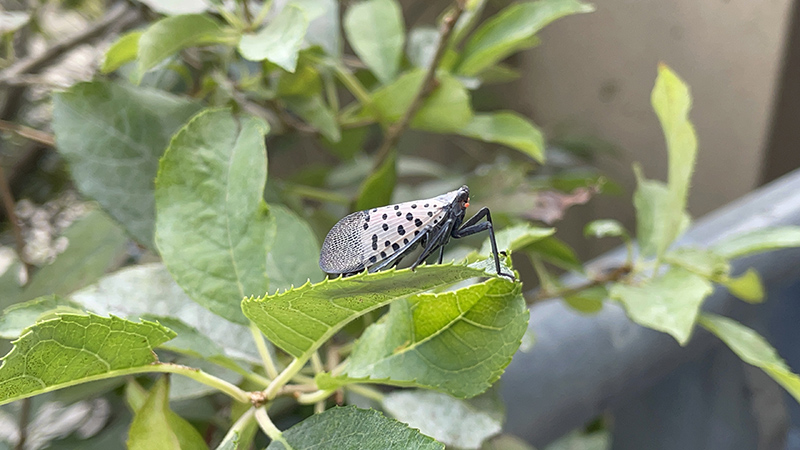
Sean Toporek, South Dakota State University - Shedding Light on Spotted Lanternfly
Emelie Swackhamer, Penn State University - Ear Worms, Raccoons and Smut Oh My! An overview of Sweet Corn and Common Pests
Dan Fillius, Iowa State University - The Emerald Executioner: An Overview of Emerald Ash Borer
Cliff Sadof, Purdue University - What To Do When Oak Wilt Haunts Your Forest (2-part series)
Jennifer Juzwik, U.S. Forest Service Northern Research Station - Pathogens sneaking around your vines!? Act now and protect the wine! (2-part series)
Michelle Moyer, Washington State University - I’m Thankful for Cranberry Fruit Rot Research
Leslie Holland, University of Wisconsin-Madison - Is Beech Bark Disease Worse Than the Big Bad Wolf? (2-part series)
Deb McCullough and Nick Zoller, Michigan State University - I’m Dreaming of a Green Christmas and Maybe a Few Bugs (2-part series)
Deb McCullough, Michigan State University
2023 Pests & Progress Webinars
Our webinar series is held monthly to showcase the latest research and IPM topics. Video recordings are available on our YouTube Channel.
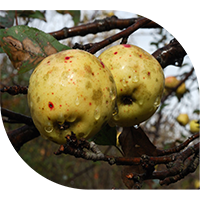
Saving money and pesticides for apple growers with new spray technology and warning systems
Mark Gleason, Professor, Iowa State University
Melanie Lewis Ivey, Associate Professor, The Ohio State University
Olivia Meyer, Graduate Student, Iowa State University
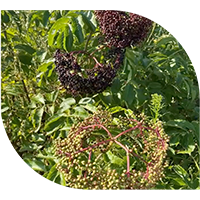
Trapping and development of degree day model for Missouri Berry Crops
Clement Akotsen-Mensah, State Extension Specialist-IPM, Lincoln University
Caroline Foba, Extension Associate, Lincoln University
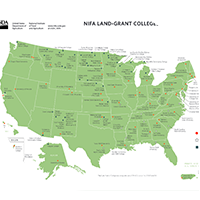
Cooperative Extension in Indigenous Communities: Experiences of Extension Educators
Katie Hartmann, Adjunct Assistant Professor, University of Minnesota

The IPM Institute: Advancing IPM in urban areas
Ryan Anderson, Sustainable Communities Manager, IPM Institute of North America
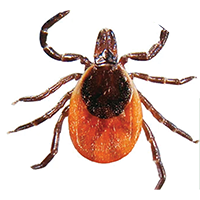
The Tick IPM Working Group
Scott Larson, Co-Director, Tick IPM Working Group
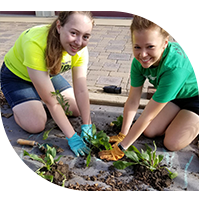
Youth Pollinator Education and Action
Maya Hayslett, Extension Specialist, Iowa State University
Lynne Campbell, Youth 4H Extension Specialist, Iowa State University

Use of the plant-derived antifungal poacic acid for use in turfgrass disease control
Paul Koch, Associate Professor, University of Wisconsin-Madisonv
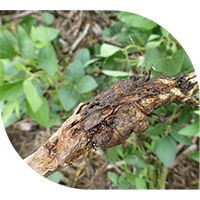
Soybean Gall Midge: Spatial and Temporal Dynamics of a New Pest in Soybean
Justin McMechan, Assistant Professor, Crop Protection and Cropping Systems Specialist, University of Nebraska-Lincoln
Highlights and impacts of the 2018-22 USDA/NIFA North Central Integrated Pest Management Center
Lynnae Jess, Co-Director, North Central IPM Center
Rights-of-Way Pest Management Strategic Plan Meeting Held in Pittsburgh
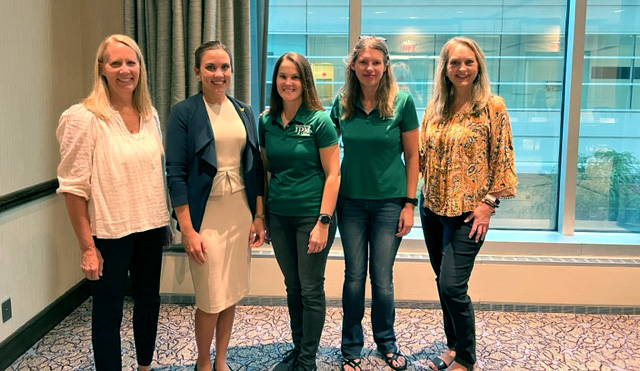
North Central IPM Center staff, including Director Laura Iles, Working Group Liaison Lynnae Jess, and Research Administrator Kelsey Mueller, joined Robin Boudwin from the Southern IPM Center to facilitate an in-person meeting for the Rights-of-Way as Habitat Working Group in Pittsburgh, Pennsylvania.