North Central IPM Center Updates
2024 NCIPMC Grant Awards
The North Central IPM Center is pleased to announce that over $358,000 is being awarded to thirteen Working Group projects in 2024. Of the funded proposals, nine of them will address protection of cropping systems, human and animal health, and environmental resources through the use of IPM, and three will protect our pollinators, beneficial insects, and their habitats.
Congratulations to the 2024 award recipients!
Working Group Funded Projects
More detail about these working groups and their goals is available on the Center’s Working Group page.
Alfalfa Pest Management Working Group,
Project Director: Adam Sisson, Iowa State University
Great Lakes Urban Agriculture Working Group,
Project Director: Margaret Rivera, The Ohio State University
Managed Pollinator Protection Plans (MP3),
Project Director: Ana Heck, Michigan State University
Midwest Grows Green Lawn & Land Forum Working Group
Project Director: Ryan Anderson, IPM Institute of North America, Inc;
North Central School IPM Working Group,
Project Director: Ryan Anderson, IPM Institute of North America, Inc;
Ornamental Crop Production Working Group,
Project Director: Dr. Debalina Saha, Michigan State University
Pollinator Education and Action for Youth,
Project Director: Lynne Campbell, Iowa State University
Public Gardens as Sentinels Against Invasive Plants Working Group,
Project Director: Kurt Dreisilker, The Morton Arboretum
Public Tick IPM Working Group,
Project Director: Ryan Anderson, IPM Institute of North America
Pulse Crops Working Group,
Project Director: Malaika Ebert, North Dakota State University;
Rights-of-Way as Habitat,
Project Director: Caroline Hernandez, University of Illinois at Chicago
Sunflower Pathology,
Project Director: Samuel Markell, North Dakota State University
Tactile Toolbox Working Group,
Project Director: Dr. Horacio Lopez-Nicora, The Ohio State University
While some projects could not be funded, an effort is made to provide constructive feedback, and resubmission is encouraged. The Center’s next Working Group and Critical Issue RFA opportunity will open again in the fall.
March Webinar: Ecological Epidemiology of the Invasive Asian Longhorned Tick: Insights from Ohio
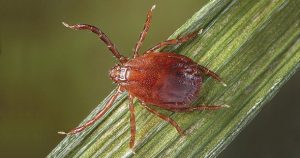
Join Dr. Andreas Eleftheriou, a veterinary public health resident in the Department of Veterinary Preventive Medicine at The Ohio State University, as he summarizes insights from a recent field study of Asian longhorned ticks in Ohio.
In its native range, the Asian longhorned tick is a significant vector of human and livestock disease and can cause substantial economic losses. Ideally, this study of the Ohio Asian longhorned tick population will serve as a guide for states within the North Central region.
This webinar will be held on Wednesday, March 20 at 1:30 pm ET (12:30 pm CT). “Pests and Progress” webinars are free, and more details are on the North Central IPM Center website.
You may also contact the North Central IPM Center to sign up as a speaker for a Pests and Progress fall 2024 webinar.
New Episodes—I See Dead Plants Podcasts
- Stop Treating Soil Like Dirt: Cover Crops and Corn Disease Part 1
Interviewee: Dr. Alison Robertson of Iowa State University - Stop Treating Soil Like Dirt: Cover Crops and Corn Disease Part 2
Interviewee: Dr. Alison Robertson of Iowa State University - Charcoal Rot Chronicles: Unveiling the Terrifying Truth Behind the Soybean Menace Part 1
Interviewee: Dr. Alemu Mengistu of the USDA - Charcoal Rot Chronicles: Unveiling the Terrifying Truth Behind the Soybean Menace Part 2
Interviewee: Dr. Alemu Mengistu of the USDA
New Episodes—War Against Weeds Podcasts
- Rewind and Fast Forward on the Farm
Interviewees: Mike Langseth, farmer from North Dakota; Rick Clifton, farmer from Ohio; and Scott Gigstad, farmer from Kansas - The Silver Bullet That Wasn’t
Interviewees: Marty Williams, ecologist for the USDA Agriculture Research Service, University of Illinois Urbana-Champaign; and Christopher Landau, research agronomist and postdoc for the USDA University of Illinois Urbana-Champaign. - Isomers
Interviewee: Mark Kitt, a Technical Product Lead with Syngenta - What About Safeners?
Interviewee: Dr. Dean Riechers from Univeristy of Illinois - What’s in a Formulation?
Interviewee: Dustyn Sawall, a principle chemist for Winfield United - Herbicide Burndown in No-Till
Interviewee: Tommy Butts, Director Experiment Station as Associate Professor and Extension Weed Scientist, University of Arkansas
South Dakota Virtual Vegetable Short Course Recordings
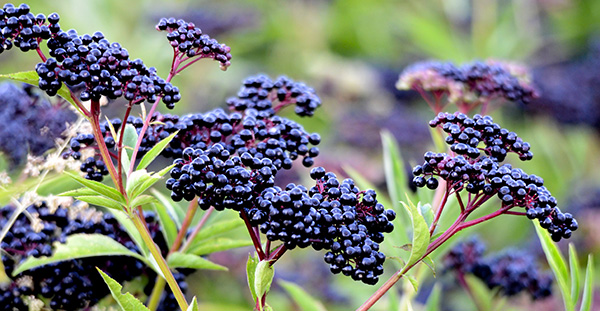
The 2024 South Dakota Virtual Vegetable Short Course recordings are now available. Check out the four topics:
- High Tunnels
- IPM in High Tunnel Production Systems
- Reducing Weeds and Tillage
- Summer Annual Cover Cropping
How to Identify and Manage Nostoc in Nurseries and Greenhouses
Check out these two articles to learn about nostoc, a genus of cyanobacteria or blue-green algae that can colonize and spread in nurseries and greenhouses because frequent watering helps it thrive. It is also known as star jelly or witch’s butter.
This article covers the biology and identification of nostoc.
Effective control of nostoc depends on early detection. This article describes nonchemical and chemical management options.
Protecting Boxwoods Against Blight and the Box Tree Moth
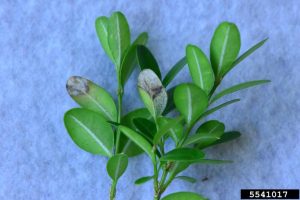
Register for this free boxwood webinar hosted by the US Environmental Protection Agency on Tuesday, March 5 from 2 to 3:30 pm ET (1 to 2:30 pm CT). Boxwood blight is a fungal disease that can affect all kinds of boxwoods.
There is no cure so once a plant is infected, it must be destroyed. Boxwood moth is another pest of boxwoods, and strategies for controlling it and reducing spread will be shared.