October 2024 Central Issue
News stories shared in the October 2024 Central Issue appear below. Subscribe to receive the Central Issue newsletter monthly via email.
North Central IPM Center Updates
The North Central IPM Center is Hiring*
The North Central IPM Center is hiring a marketing specialist. Please help spread the word by sharing on X or LinkedIn posts.
The position will be based at Iowa State University in Ames, Iowa, and includes excellent benefits. The new hire will have the opportunity to share positive news about funded projects and collaborative efforts related to agriculture and pest management.
*This job posting is currently closed.

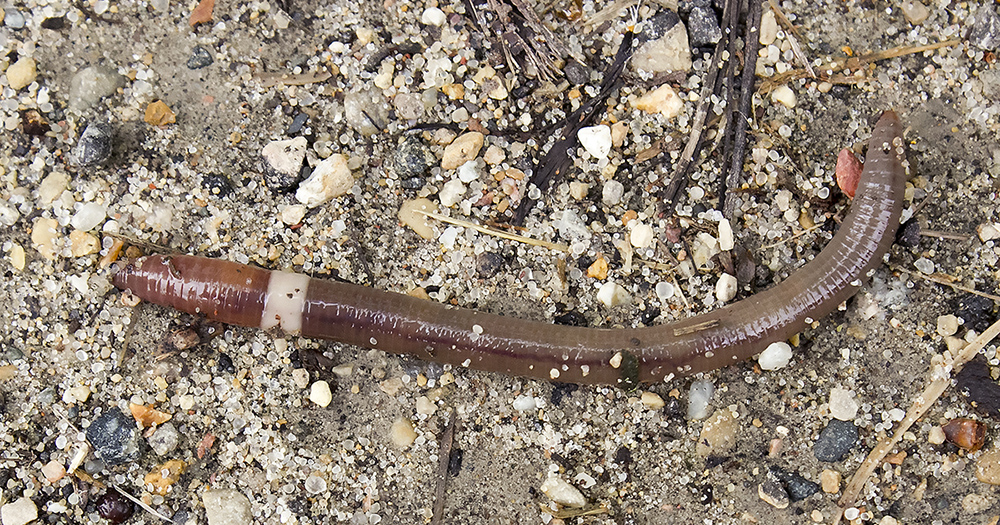
Jumping Worm Pest Alert Published
Check out the new pest alert about jumping worms! Learn how to identify jumping worms, how to prevent spread, and how to report sightings. The biology and life cycle of these annelids is interesting. One characteristic that allows them to spread rapidly is that these worms can reproduce asexually.
Management options are currently limited, but efforts to develop controls are described.
Webinar Recording: Asiatic Garden Beetle as an Emerging Pest of Corn
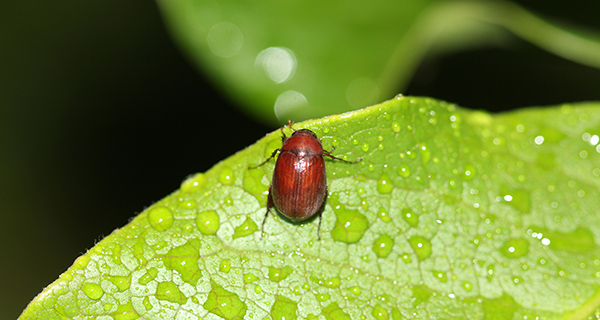
Dr. Kelley Tilmon, professor of entomology at The Ohio State University shared research about the Asiatic Garden Beetle (AGB), including identification tips, suggestions for monitoring populations, and what management strategies are ineffective.
The AGB has been in the United States for over 100 years but has been impacting crops for fewer than 20 years. The AGB grubs feed on roots and can cause significant damage and yield loss in corn, although damage to soybeans, alfalfa, wheat and potato crops has been noted.
Check out the webinar to learn more about recent research on AGB, along with what control methods have potential for success.
Additional resources are linked below:
New Episodes—War Against Weeds Podcasts
- Burcucumber
Interviewee: Dr. Dwight Lingenfelter from Penn State University - Wild Oat
Interviewees: Dr. Kirk Howatt from North Dakota State University and Dr. Breanne Tidemann with Agriculture and Agri-Food Canada - Desiccation
Interviewees: Dr. Shawn Conley from the University of Wisconsin-Madison and Dr. Jeremy Ross from the University of Arkansas - Witchweed
Interviewees: Dr. Bridget Lassiter from North Carolina State University and Dr. David Nelson from the University of California - Laser Weeding
Interviewees: Dr. Lynn Sosnoskie from Cornell University and Dr. Thierry Besançon from Rutgers University
New Episodes—I See Dead Plants Podcasts
- Specialty Crop Crusaders: An Overview of the IR4 Project Part 1
Interviewee: Dr. Travis Faske from the University of Arkansas - Specialty Crop Crusaders: An Overview of the IR4 Project Part 2
Interviewee: Dr. Travis Faske from the University of Arkansas - Traveling Terror!: Southern Rust of Corn Part 1
Interviewee: Dr. Jerry Baron, executive director of the IR4 Project - Traveling Terror!: Southern Rust of Corn Part 2
Interviewee: Dr. Jerry Baron, executive director of the IR4 Project
US Environmental Protection Agency Updates
EPA Finalizes Plan to Protect Vulnerable Species
The Vulnerable Species Action Plan is nearly complete and will help streamline the process for the US Environmental Protection Agency (EPA) as it provides options for protecting threatened and endangered species from pesticides.
So far, the Vulnerable Species Action Plan covers 27 species of plants and animals; more are likely to be added as the EPA continues to cooperate with the US Fish and Wildlife Service.
EPA Announces Funding Opportunities to Support Farmworker Communities
Three new funding opportunities are available to support pesticide safety education for farmworkers, training for health care providers to better address pesticide-related illness, and technical assistance to support managing these grants. $10 million is available; at least four projects will be funded. Award recipients will have five years to achieve proposed activities.
IPM Highlights
Sex, Radiation and Mummies: How Farms are Fighting a Pesky Almond Moth without Pesticides
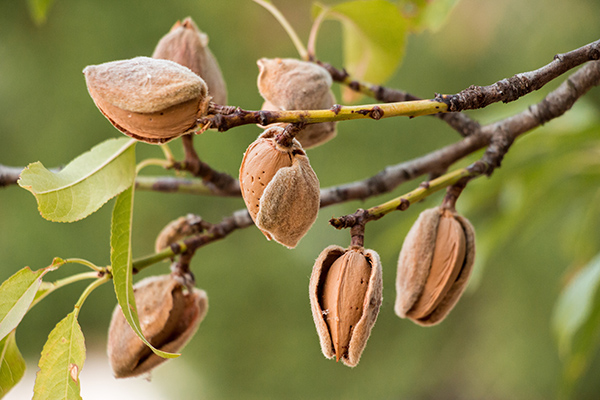
Navel orangeworm pests are threatening production and profitability of almond crops. Nut growers have been using pesticides to control them, but both farmers and researchers are interested in expanding cost-effective management options.
So far, nut farmers have tried removing all almonds left after harvest, which also removes the navel orangeworm’s winter shelter. Now researchers are trying a new approach: sterilizing the adult moths and releasing them so they mate with wild moths and produce no offspring. Learn more about the process, progress and remaining hurdles.
How to Prevent Pesticide Poisoning in Farmworkers: Three-Part Webinar Series
Based on the pesticide-related illnesses that are reported, the majority of work-related pesticide-related illnesses occur in agriculture. Farmworkers and their families are also the most likely people in the United States to be overexposed to pesticides.
The goal of this webinar series is to begin the process of improving recognition, treatment and prevention of pesticide-related illnesses.
The first session was focused on diagnosis and management of pesticide-related illness.
Session 2 will be held on Thursday, November 7, 2024, at 4:00 pm ET (3:00 pm CT), and the topic will be “Public Health and Legal Considerations in Pesticide-Related Illness in Farmworkers.”
Session 3 will be held on Thursday, December 5 at 4:00 pm ET (3:00 pm CT), and the topic will be “Culture is Key! Prevention of Farmworker Pesticide-Related Illness using Cultural Contextual Education.”
All sessions are being recorded.
Weeds on the Prairies: Here’s How People are Fighting Back
Kochia is a weed that makes thousands of seeds a year and is already a difficult weed to manage with herbicides. Kochia is known to thrive even during drought, which gives it the potential to greatly expand its range.
Learn about trials in Canada to find alternate methods to control kochia, from using wood vinegar to boost wild oat competition to addition of biochar to the soil.
Resources
NEW: Alfalfa Fungicide Efficacy Guide
The “Alfalfa Fungicide Efficacy Guide” is a valuable new resource that rates the effectiveness of fungicides for managing major alfalfa diseases in the United States. The ratings are based only on the product’s level of disease control; other variables such as application timing, rate and disease severity will still affect treatment success.
Each fungicide included in the assessment was field tested over multiple years and locations.
The fungicide ratings were developed by the Alfalfa Pest Management Working Group in collaboration with the Crop Protection Network and the University of Kentucky.
A Modern Approach to Crop and Pest Management in Pumpkin
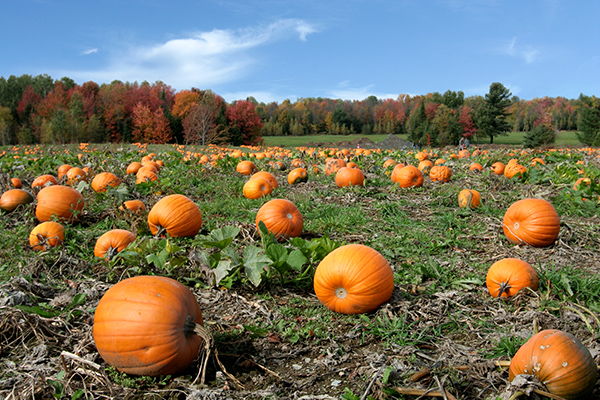
A new publication is available to support pumpkin production in the Midwest. Most of the practices are also useful for other cucurbit crops and would benefit farmers in the Northeast or the Southern United States as well. Management techniques for weeds, diseases and insects are all included.
GROW Releases New Herbicide Resistance Resource for the Industry
Two new resources from GROW provide opportunities for interactive learning related to weed management and herbicide resistance.
“The Basics of Herbicide Resistance” page provides a detailed introduction to resistance using straightforward questions that farmers often ask. Meaningful images are provided to help explain these complex topics.
The “How to Manage Herbicide Resistance with Integrated Weed Management” page goes even deeper and shares technical details about management options and how to use them effectively.
Events
North Central Weed Science Society
The North Central Weed Science Society Annual meeting will be held in Kansas City, Missouri, on December 9 to 12. Registration and details about the schedule are available on the event page.
2025 Ohio State Organic Grains Conference
The next Ohio State Organic Grains Conference will be held on January 9-10, 2025, at Kalahari Resorts & Conventions in Sandusky, Ohio. A list of speakers is available on the event page, and CCA credits will be available.
Job Board
Program Director, Feed the Future Innovation Lab, Kansas State University
Extension Instructor – PSEP/Chemigation Coordinator, University of Nebraska-Lincoln