August 2024 Central Issue

News stories shared in the August 2024 Central Issue appear below. Subscribe to receive the Central Issue newsletter monthly via email.

North Central IPM Center Updates

Lobate Lac Scale Pest Alert Updated

Lobate lac scale (Paratachardina pseudolobata [Kondo and Gullan]) is an insect pest that has been found in Florida and Hawaii. Since it thrives in warm locations, reproduces asexually and can infest over 300 species of woody plants, lobate lac scale poses a risk for landscaping and nursery industries.

The updated pest alert includes identification tips, life cycle details, preferred host plants, how to spot plant damage, and management options. Check out the Lobate Lac Scale Pest Alert to learn more.
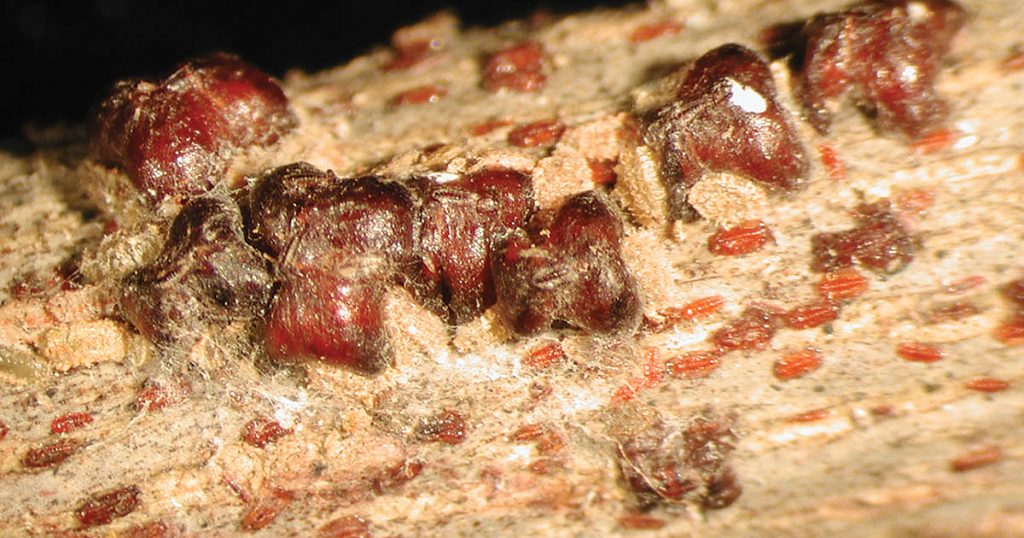
Lobate lac scale, adults and young
Lobate lac scale. Photo by Harlan Glenn, University of Florida Institute of Food and Agricultural Sciences.

Pink Hibiscus Mealybug Pest Alert Updated

The pink hibiscus mealybug (Maconellicoccus hirsutus [Green]) is a serious plant pest in tropical and subtropical areas. In the United States, it has been found in Hawaii, California, Florida, Texas, Louisiana, and Georgia. Its host plants include ornamentals, specialty crops and row crops.

This pest can be challenging to control so avoiding spread and catching infestations early are both helpful. Identification, life cycle, damage, prevention of spread and management are described in the Pink Hibiscus Mealybug Pest Alert.
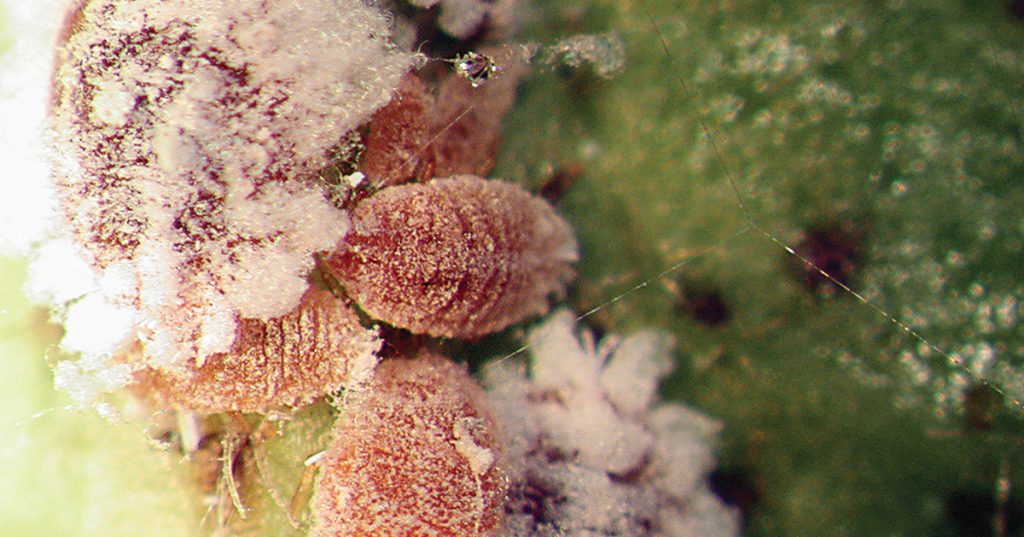
Adult female pink hibiscus mealybug adults.
Pink hibiscus mealybugs. Photo by Lance Osborne, University of Florida.

Webinar: IPM in Michigan Schools and Childcare Facilities

The next Pest Defense for Healthy Schools webinar is called, “IPM in Michigan Schools and Childcare Facilities,” and will be held on Thursday, August 29 at 4:00 pm ET (3:00 pm CT).

Dr. Dawn Gouge from the University of Arizona and Emily Pochubay from the Michigan Department of Agriculture and Rural Development will share long-term and preventative integrated practices that effectively manage pests while minimizing pesticide and pest-related hazards to people and the environment. 

Be sure to register in advance. The Pest Defense for Healthy Schools webinars are part of the School IPM Working Group and are led by the IPM Institute.

New Episodes—I See Dead Plants Podcasts

US Environmental Protection Agency Updates

EPA Issues Final Cancellation and Termination of Uses Order for Several Chlorpyrifos Products

The Environmental Protection Agency continues to move forward with changes to rules about the active ingredient chlorpyrifos, which is an insecticide that has been used on food crops.

The cancellations and amendments were effective August 7, 2024. The sale of some chlorpyrifos products is no longer allowed, but transportation for proper disposal is acceptable. The use of existing stocks of some chlorpyrifos products for non-food purposes is still allowed.  Details about specific products and timelines should be reviewed in the EPA announcement. 

EPA Issues Emergency Order to Stop Use of Pesticide Dacthal to Address Serious Health Risk

As of August 6, 2024, the use of dimethyl tetrachloroterephthalate (DCPA or Dacthal) herbicide is no longer allowed. This emergency suspension is unusual but is necessary. When pregnant women are exposed to DCPA, it affects hormones in the developing fetus. These hormone disruptions have been shown to cause low birth weight along with irreversible and life-long impacts to children, such as impaired brain development and motor skills.

The Emergency Order is effective immediately, and even existing stockpiles of DCPA must not be used. Mitigation options have been explored, but none have been effective at reducing exposure levels enough to protect unborn babies.

IPM Highlights

Spotted Lanternfly 3D Print Resources Available
Most reports of spotted lanternfly (SLF) spread have come from the public. Thus a strong outreach campaign is important for increasing awareness of this invasive pest and the need to report sightings.
 
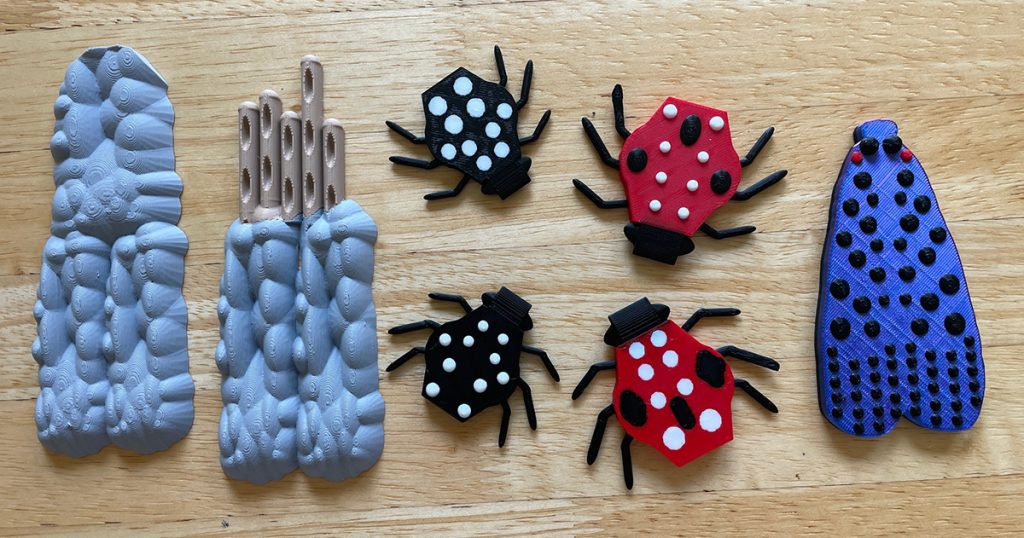
To improve training, the Ohio State University has focused on creating 3D printed SLF egg  masses, black and red nymphs and adult stages. These can be used as visual aids and also to allow participants to practice spotting the different SLF life stages. Now you can use these 3D prints for your local trainings, too! You can order prints from OSU or download the files to print them on your own 3D printer.
3D printed egg masses, larvae and adult spotted lanternflies
3D printed spotted lanternfly egg masses (left) next to nymphs and adults (right).
 

Join the Tactile Toolbox Working Group!

Interested in 3D printing? The new Tactile Toolbox Working Group is exploring ways to use 3D printing technology to improve diagnostics, assessment, and decision-making in IPM. Join the group by filling out this form. By signing up, you will be added to the group’s online collaboration space on Basecamp.
 

New Bed Bug Pest Alert: Learn to Identify and Prevent These Unwanted Guests

The newest pest alert is about bed bugs! Learn how to check for bed bugs and how to prevent them from following you home. Management options are discussed, including ineffective options. Tips are given for travelers and for choosing a company to manage an infestation.
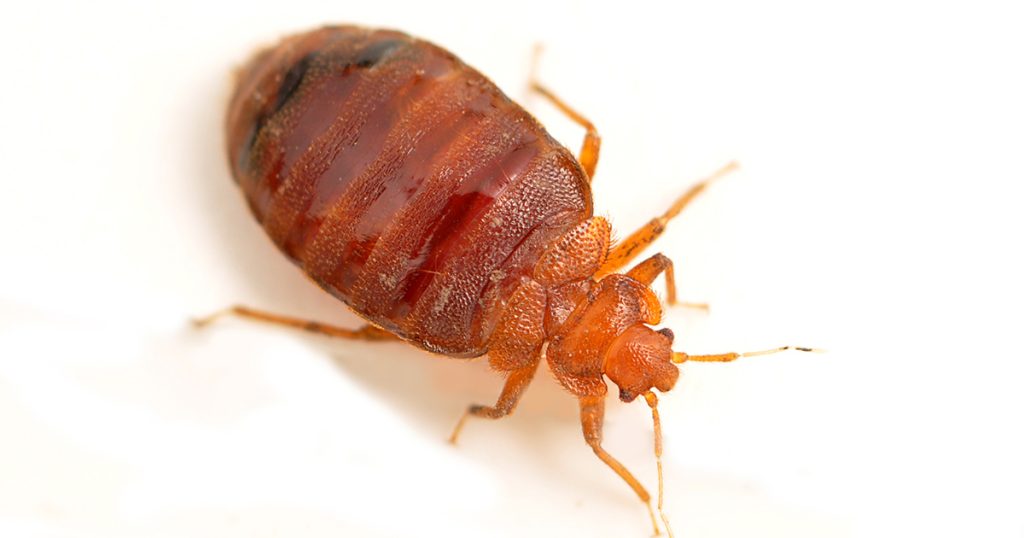
Adult bed bug

Adult bed bug. Photo by Matt Bertone, NC State University.

Back to School: Bed Bugs & Head Lice Webinar

The next “What’s Bugging You” webinar will be held on Friday, September 6 at 12:00 to 12:30 pm ET (11 to 11:30 am CT).

Pests this Season

Prevent Heartbreak: Protecting Harvest from Vertebrate Pests

This is the time of year that deer, raccoons, chipmunks and birds sample vegetables like sweet corn, cucurbits and tomatoes that are almost ready to be harvested. Learn how to discourage these pests before they take a bite and become determined to finish their feast.
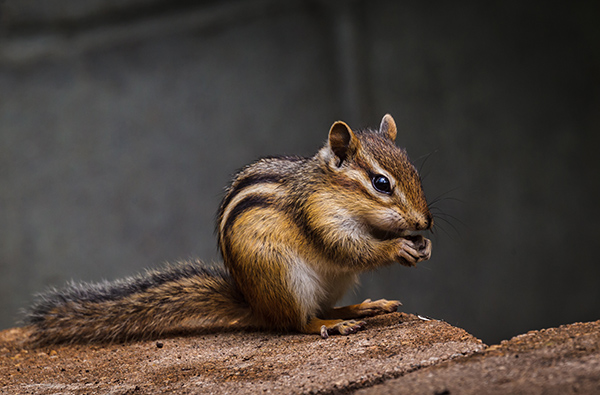
Chipmunk eating a nut
Photo from Adobestock. 

Soybean Aphid Numbers and Management in North Dakota

Soybean aphids are being found in most scouted fields in North Dakota; a map is included. Learn how to tell when treatment is needed and what treatments are effective.

Updates on other pests affecting North Dakota crops are also described.

Elm Zigzag Sawfly Pest Alert

Elm zigzag sawfly was recently found in Wisconsin, and sightings have already been confirmed in Minnesota, Ohio and several other eastern states. This sawfly can cause significant defoliation of elm trees, and population numbers can increase quickly. Check out the Elm Zigzag Sawfly Pest Alert from the University of Wisconsin-Madison’s Extension Horticulture Program to see the distinctive leaf damage caused by the sawfly along with other details about this species.
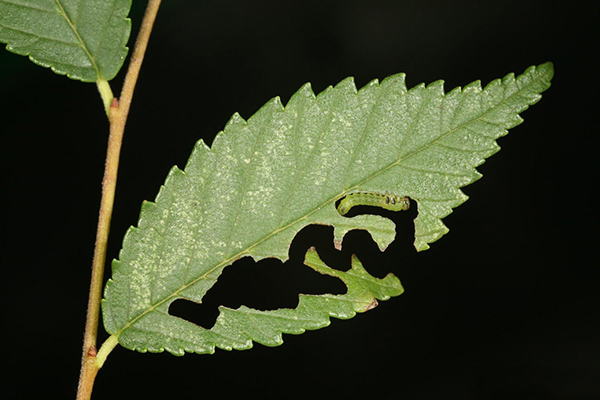
Elm zigzag caterpillar and its curved tunnels in an elm leaf.
Elm zigzag caterpillar and its curved tunnels in an elm leaf. Photo by Gyorgy Csoka, Hungary Forest Research Institute, Bugwood.org.

Resources

FieldCheck: A Tool to Help Protect Pesticide-Sensitive Sites from Spray Drift

The FieldCheck program provides a way for pesticide applicators to identify locations that are extra sensitive to spray drift. Growers and beekeepers must register their locations annually. Applicators can register to see the map of sensitive locations.  The FieldCheck program is available in all North Central states except North Dakota.

NPIC Resources Available

The National Pesticide Information Center provides a variety of online publications related to safety when handling chemicals. The following topics are available:

  • Disinfectant wipes
  • Rodent bait safety
  • Systemic vs. non-systemic pesticide
  • Pollinator protection
  • Applying and storing lawn-care products
  • Disinfectants in Schools
  • Pesticides in your home

Most of these publications are also available in Spanish.

Corn Fungicide ROI Calculator

The Corn Fungicide ROI Calculator is a tool that helps farmers decide whether fungicide applications will be profitable. Users can enter variables like expected yield and commodity price. Then treatment cost per acre and an estimate on profit margins is provided.

The calculator uses data from fungicide trials in the United States and Canada for its estimates.

Research

Common Termite Management Tool Creates “Death Zone” That Limits Effect on Colonies

Use of liquid termiticides is a common strategy for managing termite infestations. However, a new research study led by Dr. Thomas Chouvenc, an associate professor at University of Florida’s Fort Lauderdale Research and Education Center, shows that these liquid treatments have a limited impact. They are fatal to termites that encounter them, but after a termite graveyard grows, other members of the colony avoid the area. The termite colony continues to expand, and the problem may reoccur because termites can travel hundreds of feet underground.

The use of chitin synthesis inhibitor (CSI) baits is likely a better option that is more likely to result in colony elimination. It is more affordable as well.

Type of Plastic Film on High Tunnels can Filter Sunlight, Influence Plant Growth

How does the light diffusion and transparency of high tunnels affect crop growth? A new study from Penn State University tested four alternative polyethylene films and evaluated impacts to growth.

Effects of the different plastics were significant. The ultraviolet-transparent film that diffused light consistently reduced the severity of the foliage disease. Plastics that transmitted light at wavelengths used in photosynthesis supported increased basil growth and biomass.

Researchers Developing AI Tool That Identifies Agricultural Pests From Snapshots

Researchers are working toward the use of vision-based artificial intelligence tools to identify agricultural pests. Iowa State University researchers have been awarded time on the Frontera supercomputer at the University of Texas at Austin. The supercomputer will be used to train machine learning models to analyze photos and identify agricultural pests, including insects and weeds.

Events

Save the Date for Reframing Farming: A Workshop for Midwest Farm and Food Communicators

Hey Midwest farm and food communicators!
Are you hungry for effective ways to convey the complexities of farming with the public or people who have little experience with agriculture?

Do you want to have more productive conversations about farming practices that are sustainable, organic, conventional, or regenerative?

Join us for a 1.5-day in-person workshop to learn and practice using new communication tools that will improve the impact of your messaging!

This workshop is your chance to learn communication practices based on seven years of research (conducted by FrameWorks Institute and The Farming and Food Narrative Project) that explored the public’s understanding of agriculture, as well as effective ways to build understanding about unfamiliar farming topics. You’ll practice reframing techniques on your own materials and connect with fellow Midwest communicators to discuss challenges and collaborate on solutions. You’ll expand your network and gain the confidence to use new communication tools in your work.

The Reframing Farming: A Workshop for Midwest Farm and Food Communicators will be held from April 29-30, 2025, at the beautiful Des Moines Botanical Center in Iowa. The registration cost is $100. Space is limited so let us know you are interested by filling out this short application.

Webinar: Draft Strategy to Better Protect Endangered Species from Insecticides

A public webinar will be held on September 5, 2024, from 1-2 pm ET (12:00 pm to 1:00 pm CT) to provide an overview of the U.S. Environmental Protection Agency’s draft Insecticide Strategy. The draft strategy includes suggestions for protecting federally endangered and threatened (listed) species and their critical habitats from the use of conventional agricultural insecticides. These mitigation options can be chosen and implemented by landowners so that insecticides can still be used as a management tool on crops in the area.

IPM Symposium: Call for Proposals

Now is the time to submit session proposals for the 2025 IPM Symposium. Sessions may include multiple speakers, a discussion, a roundtable, a workshop, or question-and-answer formats (but not individual speakers). Topics may address any aspect of integrated pest management (IPM), including research and extension, regulatory actions and policy, and IPM in practice.

Proposals must include the session title, proposed speakers, and an abstract.

The deadline for session submissions is August 30, 2024. Questions may be sent to Dawn Gouge: dhgouge@arizona.edu.

Individual presenters are encouraged to consider submitting poster presentations. The call for poster submissions will be announced later this year.

The International IPM Symposium will be held on March 3 – 5, 2025, in San Diego, California.

2024 Spotted Lanternfly Research and Technology Development Meeting

The first Spotted Lanternfly Research and Technology Development meeting will be held October 16-17, in Wooster, Ohio.

Submissions for presentations and/or posters for this meeting are welcome. Submission topics may include the following categories:

  • SLF impacts to US agriculture and natural resources;
  • biocontrol techniques;
  • development of tools for early detection, survey, trapping;
  • chemical and microbial control;
  • risk assessment models and prioritization tools;
  • risk mitigation and practical management; and
  • outreach and education.

Anyone who has received USDA funding for SLF research projects are strongly encouraged to present their findings.

Email submissions to greg.r.parra@usda.gov, with a cc: to phillip.lowe@usda.gov, by September 6, 2024. For each submission, please provide the following information: title, senior author, presenting author (if not senior author), author affiliation, author’s email address, subject area preference (from list in first sentence), and format preference (oral or poster).

Registration is available through Eventbrite.

Job Board

Chair of Phytobacteriology at the Associate or Full Professor level, University of Wisconsin-Madison

Assistant Professor – Applied Honey Bee Entomology

Extension Entomologists, Two Positions, Department of Biology at Utah State University

Assistant Professor, Extension Entomologist, Department of Biology at Utah State University (2 positions)

Assistant Professor, Field Crops Extension Entomologist, Texas A&M University