North Central IPM Center Updates
August Webinar: Phomopsis Stem Canker of Sunflower – Is Fungicide Resistance Becoming an Emerging Problem?

The next “Pests and Progress” webinar will feature Dr. Febina Mathew, associate professor from North Dakota State University. Dr. Mathew’s presentation is called, “Phomopsis Stem Canker of Sunflower – Is Fungicide Resistance Becoming an Emerging Problem?”
Phomopsis stem canker is a disease that affects sunflowers (Helianthus annuus L.) and causes significant yield losses.
Farmers are currently managing Phomopsis stem canker with fungicides that contain Quinone outside Inhibitor (QoI). However, there has been confirmed resistance to QoI in the causal fungus, Diaporthe helianthi.
Field trials conducted in Minnesota, North Dakota, Nebraska, and South Dakota in 2022 and 2023 assessed new fungicide chemistries and application timings, and Dr. Mathew will share the results.
This webinar will be held on Wednesday, August 21 at 1:30 pm ET (12:30 pm CT). “Pests and Progress” webinars are free, and more details are on the North Central IPM Center webinar page.
Webinar Recording: Back to Basics on Endangered Species Conservation
Dr. Adam Janke, associate professor and wildlife extension specialist at Iowa State University, provided a descriptive introduction of endangered species, population monitoring, and ways to support the growth of a population.
Spoiler alert: habitat is usually essential, whether that means expanding it or protecting it. Specific examples of endangered species and conservation efforts make concepts relatable and easy to understand.
Dr. Janke also shares an overview of how the US Fish and Wildlife Service determines whether a species is threatened or endangered.
Check out the full recording for a concise foundation about why the US Environmental Protection Agency must make changes to pesticide rules to avoid interfering with efforts to protect threatened and endangered species.
Webinar Recording: Using Social Network Analysis to Understand Pest Management Practices of Vegetable Growers in the Great Lakes Region
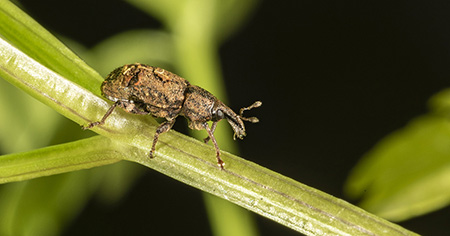
The July “Pests and Progress” webinar featured a combination of topics that provided an in-depth understanding of how social networks between growers and extension professionals influence the pest management strategies that are (or aren’t) used.
Dr. Elizabeth Long, assistant professor and extension specialist from Purdue University, began by sharing details about carrot weevils; their impacts on parsley, carrot and celery production in the Great Lakes region; and IPM strategies that are either not working or are not being fully utilized by farmers.
Dr. Carlo Moreno, assistant professor of environmental studies at the College of Wooster, followed with an enlightening presentation that described factors that affect whether farmers adopt new pest management practices.
Specialty crop farmers were surveyed about their crops, their pest management methods and where they seek advice for managing pests. This social network analysis revealed interesting insights into how we can encourage use of IPM practices, along with how to identify the influencers who can amplify the message.
Watch the recording to learn more about carrot weevils, social network analysis and how to start your own social network analysis of communication patterns in your area.
North Central IPM Center Partners with Snopes to Debunk Viral Video
Are there weevils in that Oreo cookie? A recent TikTok video went viral by showing a microscopic view of weevils and mites infesting an unfortunate Oreo cookie. Don’t let this video affect your appetite for Oreos. Snopes.com invited Dr. Laura Iles, director of the North Central IPM Center, to share her expertise and impression of the video.
Dr. Iles carefully reviewed the footage and found traces of mold on the cookie, suggesting that it was not a new cookie fresh from a package. Also, the way the weevil was entrenched in the cookie’s frosting was not likely to occur naturally since the weevils would not be interested in eating or laying eggs in the frosting.
While the weevils and the cookie were real, it seems the video was a bit staged to increase public interest and social media shares.
North Central IPM Center Tackles Transboundary Pests at International Congress
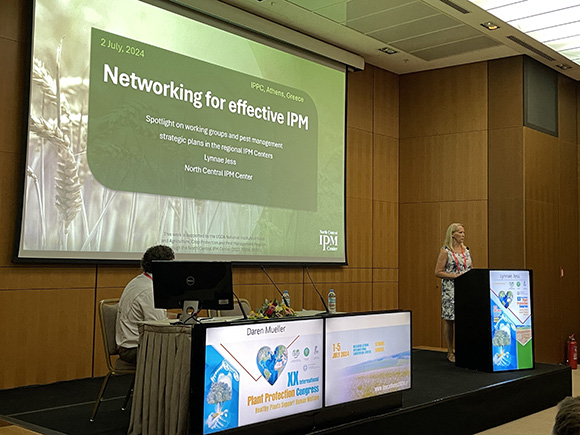
Staff from the North Central IPM Center joined representatives from seven other collaborative networks at the recent International Plant Protection Congress in Athens, Greece. The symposium, titled “Networking Tools to Manage Transboundary Pests,” brought together leading experts to discuss strategies for combating pests that disregard state and international borders.
The session featured presentations from organizations like GROW (Getting Rid of Weeds), the National Plant Diagnostic Network (NPDN), the Soybean Cyst Nematode (SCN) Coalition, the Tactical Sciences Coordination Network (TSN), the National Predictive Modeling Tool Initiative (NPMTI), and the Crop Protection Network (CPN).
These experts shared valuable insights into their experiences and the importance of collaboration in tackling large-scale pest issues.
The symposium acknowledged the challenges associated with building and maintaining successful networks. Communication gaps, differing priorities, resource limitations, and resistance to change can all hinder progress. However, the presentations also offered promising solutions.
Networks like GROW and CPN empower farmers and agricultural professionals by providing them with current, research-based resources. The NPDN plays a critical role in safeguarding plant health through rapid and accurate diagnoses, enabling swift responses to emerging threats.
The SCN Coalition, a successful public-private partnership, demonstrates the effectiveness of collaboration in addressing large-scale pest problems.
A significant boost to the fight against transboundary pests comes from the National Predictive Modeling Tool Initiative (NPMTI). This collaboration of pathologists and researchers from 26 states proactively tackles plant diseases before they devastate crops and the nation’s food supply.
The symposium also highlighted the Tactical Sciences Coordination Network (TSN), which fosters collaboration among university programs dedicated to plant and animal biosecurity. Additionally, Iowa State University’s Brandon Kleinke presented on the exciting potential of YouTube as a platform for disseminating state-level Integrated Pest Management (IPM) knowledge in an engaging way.
The importance of regional collaboration was further emphasized by a presentation from North Central IPM Center’s own Lynnae Jess. Jess discussed the role of working groups and Pest Management Strategic Plans (PMSPs) within Regional IPM Centers.
These groups bring together researchers, extension specialists, industry representatives, and growers to develop targeted solutions for specific pest challenges.
By openly discussing challenges and sharing best practices, the symposium equipped attendees with the knowledge and strategies needed to navigate the complexities of network building. This, in turn, strengthens our global response system against transboundary pests.
As we move forward, international collaboration through these powerful networks stands as a testament to our collective will to protect our planet’s agricultural resources and ecosystems.
How to Choose the Best Mosquito Control Products for Your Home
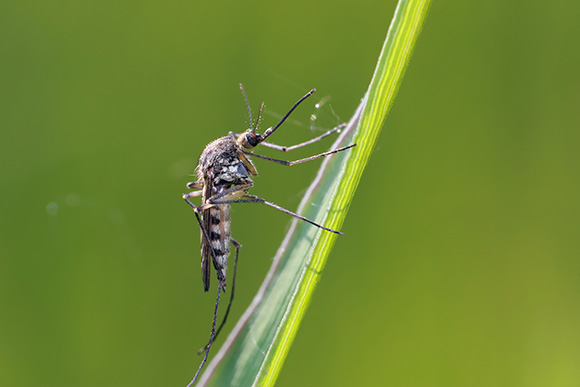
Along with bug bites and itching, mosquitoes can spread diseases like Zika, West Nile virus, and dengue fever. Did you know that your efforts can make a difference? Learn how you can reduce mosquito populations near your home and discourage adults from stopping by for a snack.
New Episodes—I See Dead Plants Podcasts
- Beam Me Up!: Giant Starship Elements and Fungal Genomes Part 1
Interviewees: Dr. Horacio Lopez-Nicora, assistant professor and Dr. Emile Gluck-Thaler, assistant professor, both from The Ohio State University - Beam Me Up!: Giant Starship Elements and Fungal Genomes Part 2
Interviewees: Dr. Horacio Lopez-Nicora, assistant professor and Dr. Emile Gluck-Thaler, assistant professor, both from The Ohio State University - What is Integrated Pest Management Revisited: Insights from My Mom
Interviewees: Barbara Zaworski and Aunt Linda Goltz
IPM Highlights
USDA-NIFA Grant Supports Microwave Tech to Zap Weed Seeds
If your microwave can explode corn seeds to make you popcorn, can microwave technology be used to destroy weed seeds as well? Scientists and engineers from the Arkansas Agricultural Experiment Station are aiming microwaves at the ground, and weed seeds are being inactivated at a depth of 3.5 inches and mostly inactivated at 6 inches deep. Trials are being done on different weed species that are relevant in cotton production. A variety of microwave frequencies and soil types will be tested to learn more about the potential for this management method. One concern was potential impacts of microwaves on beneficial microbes in the soil. The microbes recovered quickly after treatment.
Spotted Lanternfly Updates
Recordings from the 2024 Spotted Lanternfly Summit
Eleven free videos from the 2024 Spotted Lanternfly Summit are available online. Topics include research, population range, scouting, monitoring, management, impacts on the grape industry and communication and outreach efforts.Spotted Lanternfly Outreach Playlist from Ohio State University
These spotted lanternfly videos are short and great to share with the public. Videos include photos of life stages, scouting tips, how to inspect vehicles for spotted lanternfly, and a trial of using a backpack vacuum to remove nymphs from foliage.Spotted Lanternfly Pest Alert Updated
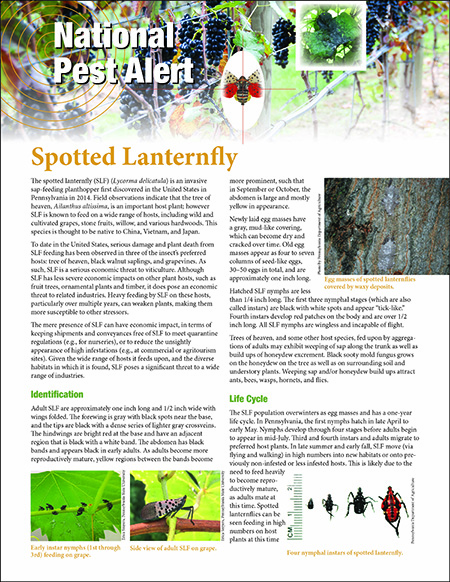 This two-page pest alert is a useful introductory resource for spotted lanternfly and covers identification tips, life stages, how to prevent spread and how to report sightings. Since management recommendations are complex and depend on the time of year and the life stage found, additional management resources are now linked.
An interactive map of active quarantines, sightings and infestations is also linked to provide timely information on spread. Active infestations have been found in Connecticut, Delaware, Illinois, Indiana, Kentucky, Maryland, Massachusetts, Michigan, New Jersey, New York, North Carolina, Ohio, Pennsylvania, Rhode Island, Tennessee, Virginia, and West Virginia. As outreach efforts increase in these areas, consider providing handouts of the Spotted Lanternfly Pest Alert. Prints may be ordered for free here.
Special thanks to Julie Urban, associate research professor at Penn State, for helping us keep this pest alert updated and accurate!
This two-page pest alert is a useful introductory resource for spotted lanternfly and covers identification tips, life stages, how to prevent spread and how to report sightings. Since management recommendations are complex and depend on the time of year and the life stage found, additional management resources are now linked.
An interactive map of active quarantines, sightings and infestations is also linked to provide timely information on spread. Active infestations have been found in Connecticut, Delaware, Illinois, Indiana, Kentucky, Maryland, Massachusetts, Michigan, New Jersey, New York, North Carolina, Ohio, Pennsylvania, Rhode Island, Tennessee, Virginia, and West Virginia. As outreach efforts increase in these areas, consider providing handouts of the Spotted Lanternfly Pest Alert. Prints may be ordered for free here.
Special thanks to Julie Urban, associate research professor at Penn State, for helping us keep this pest alert updated and accurate!
August “What’s Bugging You?” Webinar Features Spotted Lanternfly
The next “What’s Bugging You?” webinar will be held on August 2 at 12:30 pm ET (11:30 am CT). This webinar will provide updates on two invasive species: the spotted lanternfly and box tree moth.Pests This Season
True Armyworm Caterpillars Spotted in South Dakota Wheat
True armyworms must migrate north to reach South Dakota. For the second year in a row, they have arrived early and are being found in winter wheat and other small grain crops. Learn how to scout for, identify and manage true armyworm caterpillars.
Dectes Stem Borer in Soybean
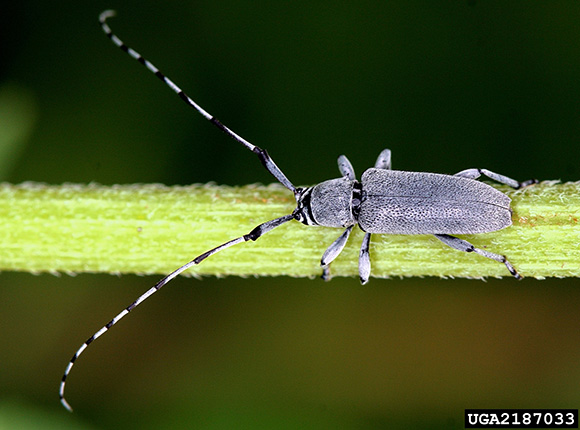
Dectes stem borer adults were found in early June in Cass County in Nebraska, and they are becoming more common in west-central and southwestern Nebraska. While this stem borer can cause lodging in corn, it is difficult to accurately estimate yield losses.
August is an important time to scout for Dectes stem borer in Nebraska. Fields with infestation of 50% of stems or more should be harvested early.
Is it a ‘B’ or a ‘G’? Distinguishing Bacterial Leaf Streak (BLS) from Gray Leaf Spot (GLS)
Bacterial leaf streak is a common disease in corn in Iowa this year due to abundant rainfall. It is easy to misidentify bacterial leaf streak as gray leaf spot. Management options for these two diseases are very different so it is essential to get the identification right. Check out these tips and photos to help you distinguish between the two.
CDC Issues Alert for Increased Risk of Dengue Virus Infections in the United States
The Center for Disease Control (CDC) issued a detailed Health Alert Network message about an increased risk of dengue virus infections in the United States in 2024. Healthcare professionals should be aware of this increase and be prepared to test for dengue when symptoms are present, especially if the patient has traveled to areas with active cases within the last two weeks.